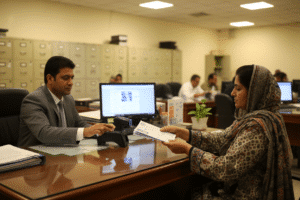
The 8171 BISP payment verification system gives millions of Pakistani households a fast way to confirm their March 2026 Benazir Kafalat installment status — online or by SMS. With the quarterly disbursement now confirmed and ATM withdrawals back in operation since January 2026, knowing exactly how to check your payment before visiting any center can save time and prevent unnecessary trips.
The Benazir Income Support Programme (BISP) remains one of Pakistan's largest social protection initiatives, covering millions of low-income households registered in the National Socio Economic Registry (NSER). The March 2026 installment is actively being distributed across districts, and the government has made it clear that beneficiaries must verify their status through the official 8171 portal or SMS service before heading to any payment center.
How the 8171 payment verification system works
The 8171 portal was launched by the Government of Pakistan as a centralized verification tool for BISP beneficiaries. It serves two distinct functions: a web-based portal for those with internet access, and an SMS-based service designed specifically for rural beneficiaries who have limited or no connectivity. Both channels require a valid 13-digit CNIC number to retrieve payment status.
Checking your status online
The online verification process through the 8171 web portal is straightforward and takes less than a minute. Here is how it works:
- Open the official 8171 web portal in any browser
- Enter your 13-digit CNIC number in the designated field
- Type the verification code displayed on screen
- Click the "Check Status" button to retrieve your payment information
The result will show one of several statuses. If your payment is ready, the portal confirms the amount and directs you to the nearest collection point. If you see "Payment Under Verification", your eligibility is still being reviewed. "CNIC Not Found" typically means your household is not yet registered in the NSER. "Payment Not Issued Yet" reflects distribution delays that vary by district.
Checking by SMS without internet
For beneficiaries in areas with no internet access, the SMS method is equally reliable. Open your phone's messaging app, type your CNIC number without spaces, and send it to 8171. A confirmation message will be returned with your current payment status. This approach is particularly useful in remote districts where smartphone access is limited but basic mobile coverage exists.
Always verify your payment status via the 8171 portal or SMS before traveling to a BISP payment center. Distribution timelines vary by district, and many beneficiaries make unnecessary trips when their payment has not yet been issued in their area.
The March 2026 installment amounts and payment channels
The March 2026 Benazir Kafalat disbursement continues the quarterly payment cycle that resumed in January 2026. The confirmed quarterly amount is Rs. 13,500, with a separate update referencing a new payment of Rs. 14,500 that has been released for eligible households. Beneficiaries under the Bewa Sahara Card program receive a significantly higher assistance amount of Rs. 1.50 LAC in 2026, targeting widowed women in particularly vulnerable circumstances.
Payments reach beneficiaries through multiple channels. BISP payment centers are established across numerous districts and remain the primary collection point for most households. HBL Konnect agents serve as authorized distributors in areas where physical centers are less accessible. Bank Alfalah ATMs provide another option, particularly since the government reinstated ATM withdrawals starting January 2026, allowing eligible women to collect funds directly using biometric verification.
ATM withdrawals and biometric verification
The resumption of ATM-based disbursement is a significant development for the program's accessibility. Eligible women can now withdraw their BISP payments at partner bank ATMs, but the process requires biometric verification to confirm identity. This step is mandatory and cannot be bypassed at the ATM itself. For a detailed walkthrough of the ATM withdrawal process, the step-by-step ATM payment guide for 2026 covers the full procedure. Beneficiaries who face biometric failures at ATMs must visit their nearest BISP office to resolve the issue in person, as remote correction is not currently available for biometric data mismatches.
confirmed quarterly installment amount for Benazir Kafalat beneficiaries in 2026
BISP eligibility criteria and the 2026 policy updates
Eligibility for the Benazir Kafalat Program in 2026 is determined by several overlapping conditions. Households must belong to a low-income bracket, hold an active registration in the NSER, and maintain a poverty score within the BISP-defined threshold. But the 2026 policy introduces stricter scrutiny across multiple dimensions.
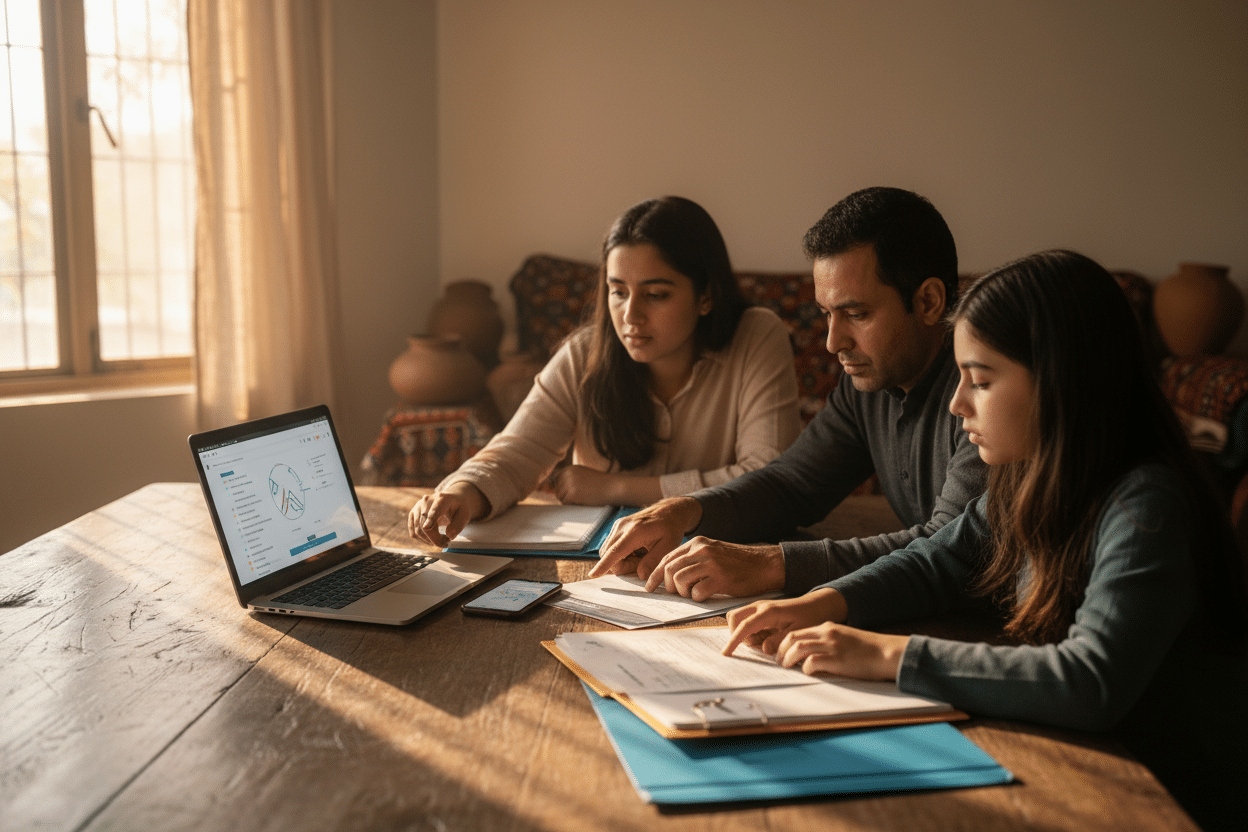
Tax records, banking activity, property ownership, and asset verification all now factor into eligibility assessments. If any household member is a government employee, the entire household is disqualified. Owning large properties or operating a business also leads to disqualification under the updated criteria. These rules reflect the government's push to ensure that assistance reaches genuinely vulnerable families rather than households with hidden financial resources.
NSER registration and the dynamic survey
Registration in the NSER is the foundational requirement. Without it, the 8171 portal will return a "CNIC Not Found" message regardless of actual income levels. The BISP Dynamic Survey, launched as a national initiative in January 2026, allows households to update their data when circumstances change. If a family's income has shifted, their address has changed, or the household structure has evolved, completing the dynamic survey is the correct path to maintaining eligibility. Failing to do so can trigger payment delays or outright suspension.
The dynamic survey process is managed through the official BISP portal, and the complete guide to the BISP Dynamic Survey registration explains each step in detail. Temporary government camps in selected districts also offer on-site survey assistance for beneficiaries who cannot complete the process digitally.
Households that do not update their information in the NSER after major life changes — including relocation, income change, or shifts in family composition — risk having their payments delayed or suspended without prior notice.
Resolving common BISP payment problems in 2026
Several status messages on the 8171 portal indicate problems that require action. Understanding what each message means — and what to do next — prevents frustration and unnecessary delays.
"Payment Under Verification" means the system is still reviewing your eligibility. No immediate action is required, but checking back after a few days is advisable. "Payment Not Issued Yet" reflects a district-level distribution delay, not a disqualification. Payments in some areas take longer to reach local centers depending on logistical factors. "CNIC Not Found" is the most serious status, as it indicates your household is not registered in the NSER. In this case, visiting a BISP office or completing the dynamic survey is the only path forward.
Biometric issues and in-person resolution
Biometric verification failures are one of the most common barriers to payment collection, particularly for ATM withdrawals. When a beneficiary's fingerprints or other biometric data do not match the system records, the transaction is blocked. The guide to fixing BISP biometric verification issues outlines the available remedies, though the most reliable solution remains a direct visit to the nearest BISP office. Staff there can manually verify identity and update biometric records where necessary.
Beneficiaries who want to understand whether collection without biometric verification is possible in specific cases can refer to the official guidance on receiving BISP payments without biometric verification. The conditions are limited, but they do exist for certain circumstances.
- Active NSER registration with up-to-date household data
- Poverty score within the BISP eligibility threshold
- No government-employed family members
- Completing the BISP Dynamic Survey after any life changes
- Verifying payment status on 8171 before visiting a center
- Outdated or incorrect household information in the system
- Ownership of large properties or registered businesses
- A family member employed by the government
- Failing to complete the dynamic survey after income or address changes
- Biometric data mismatches left unresolved
When collecting the March 2026 installment in person, beneficiaries must bring their original CNIC to the payment center. Copies are not accepted. The payment should be confirmed as ready on the 8171 portal before the visit, since distribution schedules differ across districts and showing up before your area's payment has been issued simply means another trip. The entire BISP verification ecosystem, from the 8171 portal to the dynamic survey and ATM channels, is built around reducing friction for Pakistan's most economically vulnerable households — but it only functions smoothly when beneficiaries stay informed, keep their data current, and use the official tools available to them.