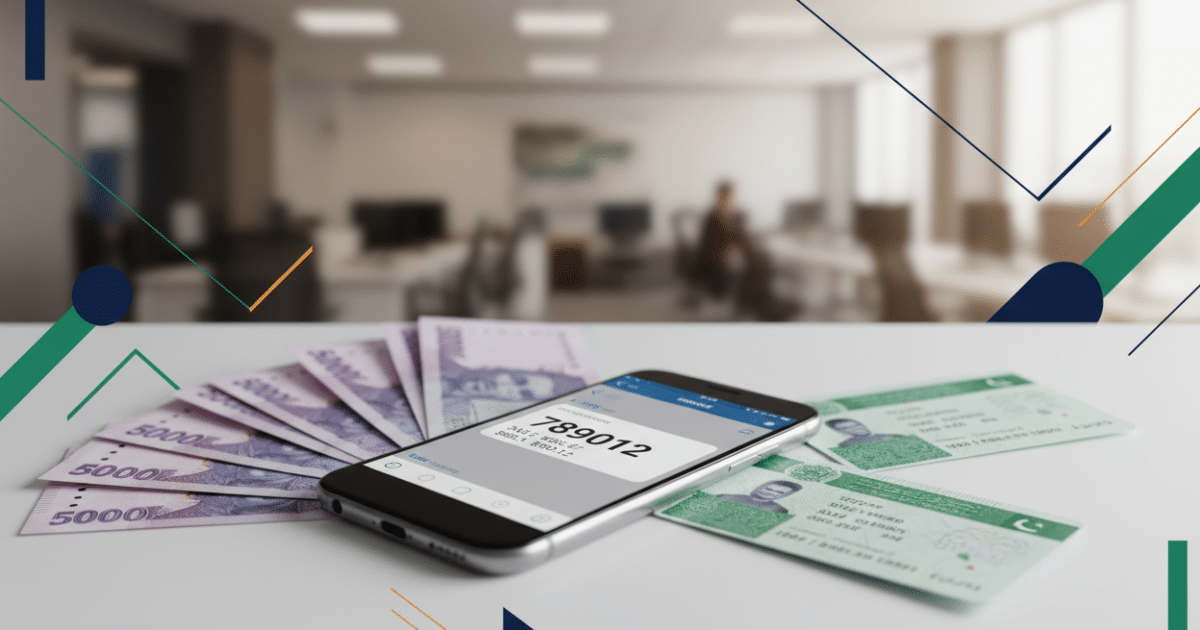
The 8171 SMS service is the official channel through which Pakistani citizens verify their BISP eligibility and payment status by sending their 13-digit CNIC to shortcode 8171. In 2026, the service costs between Rs 1 and Rs 2 per outgoing message on all major networks, while the response from BISP is free. This guide covers every fee, every procedure, and every alternative you need.
The Benazir Income Support Programme (BISP) manages one of Pakistan's largest social safety nets, and the 8171 SMS service sits at the heart of how millions of families interact with it. For many beneficiaries — especially women in rural areas without reliable internet access — a simple text message is the only practical way to know whether their quarterly payment of Rs 13,500 is ready to collect.
Understanding exactly what this service costs, how it works, and what to do when it doesn't is no longer optional. With Phase 3 of the Ehsaas payment launched in January 2026 and the BISP Survey 2026 officially relaunched the same month, demand for the 8171 shortcode has surged across all provinces.
8171 SMS service charges in 2026
The cost structure of the 8171 service is straightforward, but it trips up a surprising number of users. The charge applies only to the message you send, not to the reply you receive.
What each network charges
Every major Pakistani mobile operator applies the same basic rate for an outgoing SMS to the 8171 shortcode:
| Mobile Operator | Outgoing SMS Fee |
|---|---|
| Jazz | Rs 1 – Rs 2 |
| Telenor | Rs 1 – Rs 2 |
| Zong | Rs 1 – Rs 2 |
| Ufone | Rs 1 – Rs 2 |
The response message sent back by the BISP database is free in most cases. So the total cost of a single eligibility check rarely exceeds Rs 2, regardless of which network you use. That said, if you send multiple messages because the system is busy during a payment cycle, those small charges can add up. The recommendation is to wait and retry rather than sending repeated messages in quick succession.
Why the SIM card you use matters
A detail that causes significant verification failures: the SIM must be registered under the same CNIC as the one being checked. If you borrow a phone or use a secondary SIM registered to another family member, the system may return an incorrect status or fail to respond altogether. NADRA links SIM registration data to CNIC records, and any mismatch creates a gap in the verification chain. This is not a billing issue, but it directly affects whether your Rs 1–2 investment in that SMS produces a useful result.
Always use a SIM registered under the exact CNIC you are checking. Using another person’s phone number will produce unreliable results and will not update your official BISP record.
How to check your BISP payment status via SMS
The procedure itself takes under two minutes on any basic mobile phone. No smartphone, no internet connection, no app required — which is precisely why this channel remains the most widely used across Pakistan's rural provinces.
Step-by-step SMS verification process
- Open the default SMS or messaging application on your phone.
- Type your 13-digit CNIC number exactly as it appears on your card, with no spaces, no dashes, and no extra characters.
- Send the message to 8171.
- Wait for the automated reply from the BISP system.
The reply will contain one of three status indicators:
- Eligible — your household qualifies for the current payment cycle
- Not Eligible — your CNIC does not meet the current criteria
- Under Verification — your data is being reviewed; no action required yet
If you receive an "Under Verification" status, this is often linked to the BISP Dynamic Survey process. Completing or updating your survey registration can resolve the status — the BISP 8171 Dynamic Survey update process for 2026 is documented separately.
What to do when the SMS system is unresponsive
During active payment cycles — such as the Ehsaas Phase 3 disbursement that began in January 2026 — the 8171 shortcode experiences high traffic. The system may not respond immediately. Waiting several hours before retrying is more effective than sending the same CNIC repeatedly.
If the system consistently fails to return a result, or if the reply indicates your CNIC is not found in the database, a visit to the nearest Tehsil BISP office is the appropriate next step. These offices operate across all provinces and can manually verify your registration status. For users who want a digital alternative, the 8171 web portal provides the same eligibility check through a browser, and if your payment has already been processed, the BISP payment through ATM guide explains how to collect funds without visiting a payment center.
Eligibility criteria and common reasons for rejection
Receiving a "Not Eligible" response doesn't always mean a permanent exclusion. Understanding why the system returns that status is the first step toward correcting it.

The PMT score and NSER database
BISP uses a Poverty Measurement Tool (PMT) score to determine eligibility. This score is calculated from data collected during household surveys and stored in the National Socio-Economic Registry (NSER). Families whose PMT score falls below the poverty threshold qualify for the Benazir Kafalat quarterly payment of Rs 13,500.
Several conditions automatically disqualify a household regardless of income:
- Household income exceeds the defined poverty threshold
- A government employee is present within the family unit
- The family owns expensive vehicles or large property
- The household has a history of frequent international travel
- The CNIC used is invalid or was not issued by NADRA
In January 2026, BISP distributed ATM cards to 200,000 new beneficiaries as part of an expanded payment rollout. If you recently enrolled, your eligibility status may still be updating in the NSER database.
Keeping your documents current
A common reason for payment delays or failed verifications is outdated NADRA records. The documents that should remain current at all times include the original CNIC of the household's female head, the SIM card registered under that CNIC, B-Forms for children in the household, and the complete NADRA file. If any of these have expired or changed, the 8171 system may not reflect your actual eligibility. Users who have experienced delayed BISP payments frequently trace the issue back to a documentation gap rather than a genuine disqualification.
Alternative verification channels beyond SMS
The 8171 SMS service is the most accessible option, but it is not the only one. Pakistan's government has built several parallel channels to handle verification requests, particularly for citizens who face connectivity issues or need more detailed information than an SMS response can provide.
The 8171 web portal and other digital tools
The 8171 web portal replicates the SMS check in a browser environment. Users enter their 13-digit CNIC and receive the same eligibility status. This option suits beneficiaries who have internet access but prefer a larger screen or need to share results easily. The portal also provides additional details that the SMS response does not always include.
A secondary portal, 9999, handles a different payment category with an associated amount of Rs 13,000, while the Ehsaas portal references a payment figure of Rs 14,500. These figures reflect different program phases and beneficiary categories, so it is worth understanding which program applies to your household before interpreting the amounts. For context on the Rs 14,500 disbursement, the BISP 14,500 payment verification method provides a clear breakdown.
Physical verification points
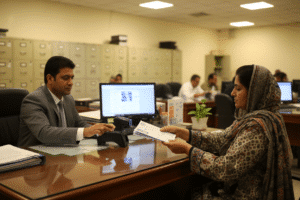
For cases where digital channels fail or produce ambiguous results, two physical options exist. Tehsil BISP offices can manually look up CNIC data and explain why a household's status shows as ineligible or under verification. Authorized payment centers serve a similar function and can also confirm whether a payment has been released for collection.
Before the 8171 SMS system existed, beneficiaries had no choice but to travel to these offices for every status check, often facing long queues and, in some cases, unofficial agents who charged fees or provided false information. The SMS shortcode eliminated most of that friction. And it did something more significant: by giving beneficiaries direct access to the BISP database, it reduced the space for fraud and illegal deductions that had previously eroded the programme's reach.
The 8171 SMS service costs Rs 1 to Rs 2 per outgoing message on Jazz, Telenor, Zong, and Ufone. The reply is free. Always send your 13-digit CNIC without spaces, using a SIM registered under that same CNIC, to get an accurate result from the BISP database.
The 8171 shortcode remains Pakistan's most direct link between citizens and the BISP payment system in 2026. Its low cost, national coverage, and offline functionality make it the default tool for the millions of families enrolled in the Benazir Kafalat programme — and for those still waiting to find out if they qualify. Knowing how to use it correctly, and what to do when it doesn't work, makes a real difference in whether that quarterly support actually reaches the people it was designed to help.