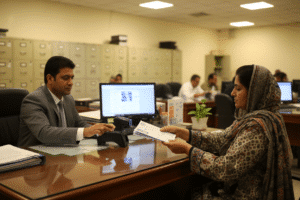
The BISP 14500 payment is distributed quarterly to eligible low-income families across Pakistan under the Benazir Income Support Programme. Beneficiaries can verify their payment status instantly via SMS to 8171 — completely free of charge — and collect their funds at designated centers using biometric verification.
Pakistan's largest social protection initiative continues to reach millions of households in 2026, with the government rolling out new ATM withdrawal options alongside traditional collection points. For women heading low-income households, understanding exactly how to check eligibility and where to collect the Rs 14,500 quarterly stipend can make all the difference.
The SMS method to check your BISP 14500 payment status
The fastest way to confirm whether your payment is ready remains the SMS verification service linked to the 8171 short code. The process requires no internet connection, no smartphone app, and no registration. Any basic mobile phone will do.
How to send the right SMS
The steps are straightforward. Open your phone's messaging application, type your 13-digit CNIC number exactly as it appears on your national identity card, with no spaces and no dashes. Send that message to 8171. Within moments, the BISP system — cross-referenced against the NADRA database — will return an automated reply indicating whether your payment is available, pending, or blocked.
One detail matters here: the CNIC must be entered correctly. A single wrong digit means no response comes back. If the system stays silent, double-check the number and resend. The service is entirely free of charge, so there is no cost to trying again.
What the SMS response actually tells you
The reply from 8171.bisp.gov.pk will reflect your current payment status based on the latest data. If your Dynamic Survey has not been completed, the system will flag that your payment is blocked pending verification. If your biometric data is outdated or unreadable, the response will direct you toward a NADRA office. And if everything is in order, the message will confirm that your Rs 14,500 payment is ready for collection.
For beneficiaries who want a more detailed eligibility check, the official 8171 web portal offers an alternative route with more information displayed on screen.
The 8171 SMS service is 100% free. No mobile operator charges apply. If anyone asks you to pay for a payment status check, that is a scam.
Where to collect the BISP 14500 payment
Once your SMS confirms availability, the next step is physically collecting the funds. The Benazir Income Support Programme has established multiple collection channels to ensure geographic accessibility across Pakistan.
Authorized collection centers
Beneficiaries can receive their quarterly stipend at any of the following locations:
- Tehsil BISP offices — the primary government-run collection points
- HBL Konnect agents — widely available in urban and semi-urban areas
- Bank Alfalah centers — for registered Benazir Kafalat Program participants
- Designated retail agents — local shopkeepers authorized by BISP
- Official BISP payment campsites — temporary sites organized during active payment cycles
Regardless of which location you choose, the procedure at the counter is identical. Bring your original CNIC, submit to biometric fingerprint verification by the agent, and receive your Rs 14,500 in cash. Always ask for a payment receipt before leaving. That receipt is your proof of collection and your protection against any later dispute.
ATM withdrawals for selected beneficiaries
Starting January 1, 2026, a specific group of 200,000 beneficiaries gained access to ATM withdrawals. This cohort receives Rs 13,500 per quarter through this channel rather than the standard Rs 14,500 distributed at physical centers. The ATM option is available through HBL Konnect and Bank Alfalah infrastructure. If you are among those selected for this method, the step-by-step ATM withdrawal guide walks through the exact process at the machine.
beneficiaries activated for ATM withdrawals from January 2026
Biometric verification and what to do when it fails
Biometric verification is not optional. Every beneficiary must pass a fingerprint scan at the point of collection before any payment is released. This requirement exists to prevent fraud and ensure funds reach the intended recipient.
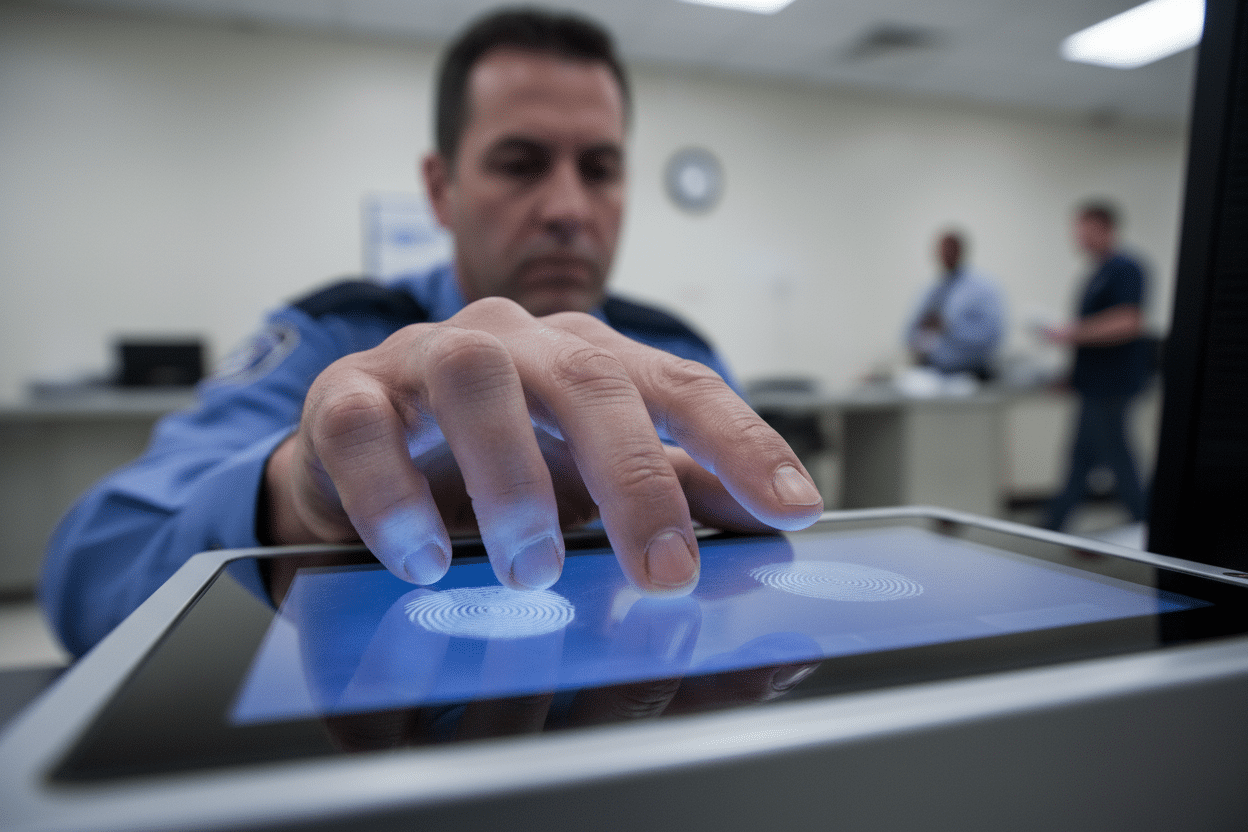
When fingerprints are not recognized
Fingerprint recognition failures are more common than many people expect, particularly among older women or those who do manual labor. If the biometric scan fails at the collection center, the agent cannot override the system. The only path forward is a visit to the nearest NADRA office to update the fingerprint records on file.
Once NADRA has refreshed the biometric data, the beneficiary can return to any authorized collection point and attempt verification again. The guide on fixing biometric verification issues covers the full process, including what documents to bring to the NADRA office.
For those in exceptional circumstances who cannot complete standard biometric verification, there are specific provisions outlined in the BISP payment without biometric verification update.
Keeping your Dynamic Survey current
Beyond biometrics, the Dynamic Survey is the other major checkpoint. If this survey has not been completed or has expired, payments are automatically blocked regardless of eligibility status. The survey captures household income and demographic data, and BISP uses it to continuously reassess who qualifies. Beneficiaries who find their payment frozen due to an incomplete survey must update their registration through the official portal or in person at a Tehsil BISP office.
Never share your CNIC with unauthorized agents. No legitimate BISP representative will ask for payment to process your stipend. Report suspicious activity to the BISP helpline immediately.
Fraud risks and how to protect your payment
The BISP 14500 payment program attracts opportunistic fraud. Beneficiaries, particularly those in rural areas with limited digital literacy, are targeted by individuals posing as BISP facilitators who charge fees for "processing" payments or "guaranteeing" eligibility.
What fraudulent behavior looks like
Two red flags stand out above all others. First, any person asking you to pay a fee to receive your stipend is operating illegally. BISP agents and collection center staff are strictly prohibited from charging additional fees. The entire process, from the SMS check to the cash disbursement, costs the beneficiary nothing. Second, anyone requesting your 13-digit CNIC outside of an official collection center context should be treated with extreme caution. Sharing that number with unauthorized parties creates direct risk of identity fraud.
Staying safe during collection
Practical security during the collection process comes down to a few consistent habits. Visit only centers that appear on the official BISP-approved list. Confirm the agent's authorization if you have any doubt. Complete the biometric scan yourself rather than handing your card to a third party. And always, without exception, collect your payment receipt as written confirmation that funds were disbursed correctly. If something feels wrong, the BISP helpline exists precisely to receive these reports.
The Benazir Kafalat Program registration opened in January 2026 alongside the rollout of NADRA biometric cash payments for the same period. For households that have not yet registered or need to correct information in the system, the Tehsil BISP office is the designated venue for both registration updates and data corrections. Waiting for the next payment cycle without addressing a data error only delays relief further — updating records at the earliest opportunity keeps the quarterly payments flowing without interruption.