The BISP 8171 Digital Wallet expansion marks a turning point in Pakistan's social protection landscape. As of 2026, over 104,000 beneficiaries have already been transferred to the new digital payment system, replacing cash-based distribution with secure mobile wallets. The shift directly targets transparency, speed, and financial inclusion for the country's most vulnerable women.
Pakistan's Benazir Income Support Programme (BISP) has long been one of the largest social safety nets in the country, channeling quarterly cash transfers to millions of low-income households. But the traditional model, built around physical payment camps and manual agents, carried significant risks: delayed disbursements, unauthorized deductions, and limited accountability. The 2026 digital wallet expansion addresses these structural weaknesses head-on.
The move is not simply a technical upgrade. It represents a deliberate policy shift toward building a transparent, verifiable, and inclusive financial system for women enrolled under the Benazir Kafalat Program, the flagship cash transfer initiative managed by BISP.
BISP 8171 digital wallet: what the expansion actually changes
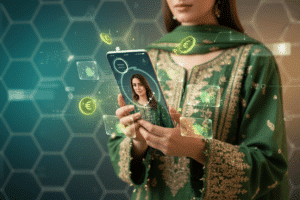
The core of the reform is straightforward. Instead of traveling to crowded payment camps and handing over funds through intermediaries, beneficiaries now receive their payments directly into a digital wallet linked to their profile. The transfer is instantaneous, and a confirmation SMS is sent from the official 8171 number the moment funds are credited.
This shift eliminates one of the most persistent problems in the old system: illegal deductions. When payments passed through agents or middlemen, a portion of the funds often never reached the intended recipient. With digital records tracking every transaction, that gap closes significantly.
From cash camps to mobile accounts
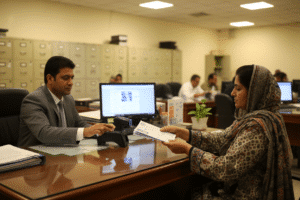
The contrast between the two systems is stark. Under the old model, beneficiaries had to physically appear at designated camps, wait in long lines, and accept whatever amount was handed to them, with little recourse if the sum was short. The new system ties each payment to a CNIC (Computerized National Identity Card) and a registered mobile SIM, creating an auditable trail that neither the beneficiary nor any third party can easily manipulate.
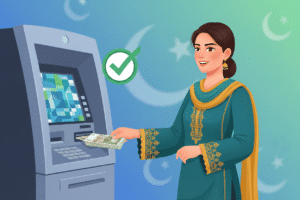
Funds can now be accessed through ATMs, banking agents, or directly via mobile wallet services, giving recipients genuine flexibility in how and when they collect their money. For women in rural areas, where travel to a payment camp might mean hours of transit, this flexibility is not a minor convenience — it's a meaningful change in daily life.
Biometric verification and the NSER registry
Enrollment in the digital wallet system requires completing the NSER (National Socio-Economic Registry) dynamic survey, holding a valid CNIC, maintaining an active registered SIM, and undergoing biometric verification where required. The verification process, managed in coordination with NADRA (National Database and Registration Authority), ensures that only legitimate beneficiaries are linked to wallet accounts. If you've encountered issues with this step, a detailed walkthrough is available on how to fix BISP biometric verification problems online.
To be eligible for the BISP 8171 digital wallet, beneficiaries must be registered in the BISP program, have completed the NSER survey, hold a valid CNIC, and maintain an active registered mobile SIM. Biometric verification may also be required before wallet activation.
Payment amounts and how beneficiaries receive their funds
The quarterly disbursement under the Benazir Kafalat Program currently stands at Rs. 13,500 per beneficiary, with some records referencing an updated figure of Rs. 14,500. For beneficiaries curious about the verification process behind this higher amount, the BISP 14,500 payment verification method provides a complete breakdown of how to confirm eligibility and check status.
Once a payment is processed, the sequence is clear:
- Eligibility is verified against the CNIC and NSER records.
- A digital wallet is created or linked to the beneficiary's profile.
- Funds are transferred directly to the wallet account.
- A confirmation SMS arrives from 8171.
- The beneficiary withdraws funds via ATM, banking agent, or mobile wallet service.
beneficiaries already transferred to the digital wallet system in Phase 1 (2026)
The SMS confirmation step deserves attention. The 8171 number is the official channel for all BISP communications, and receiving a message from it after a payment cycle is the primary way beneficiaries confirm their disbursement. If that message doesn't arrive, it can indicate a registration issue, a SIM mismatch, or a processing delay. A common source of confusion is when the SMS system appears unresponsive — guidance on what to do when the 8171 SMS isn't working covers the most reliable alternatives for checking payment status.
Challenges the rollout must still overcome
No large-scale digital transition is friction-free, and the BISP digital wallet expansion faces two clearly identified obstacles. The first is low digital literacy among a portion of the beneficiary base. Many enrolled women, particularly in rural and remote districts, have limited experience with mobile banking applications, digital interfaces, or even basic smartphone navigation. Without proper support, the shift to digital wallets risks leaving the least connected recipients further behind.
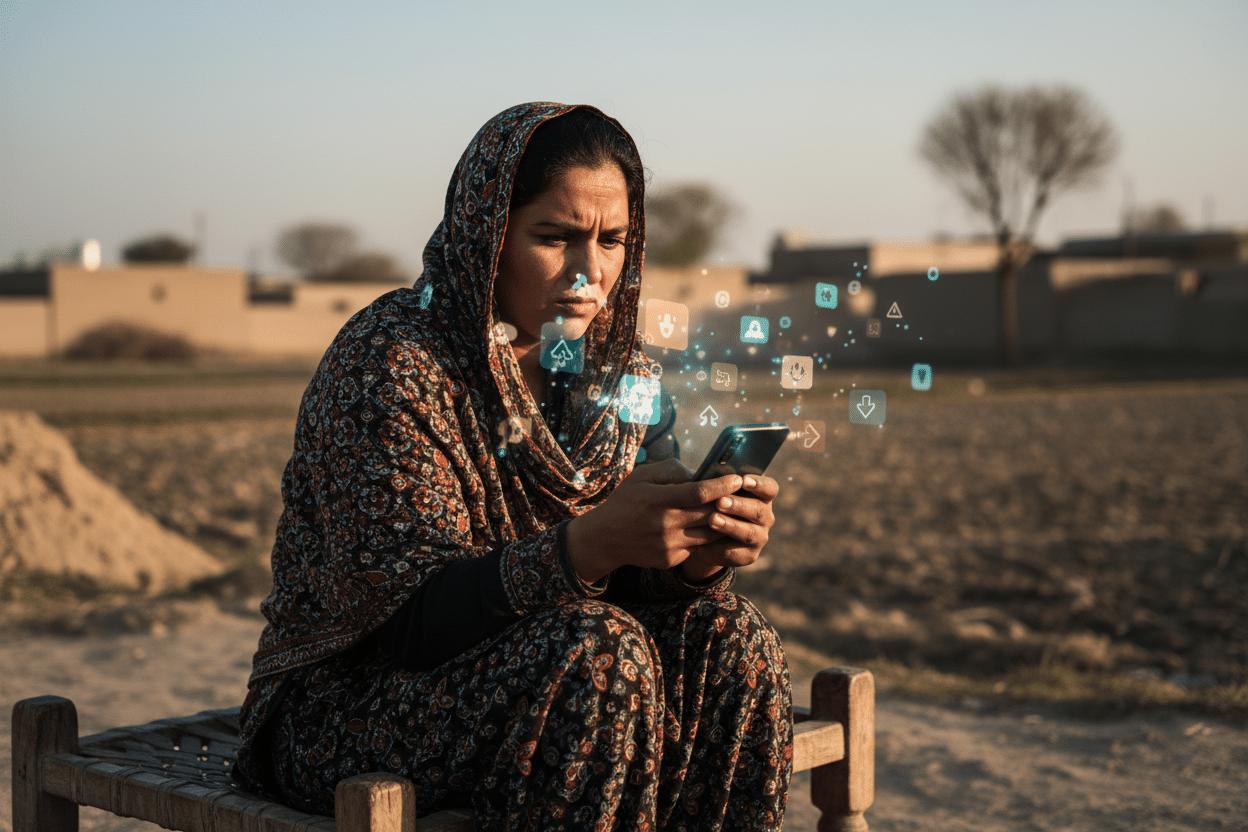
The second challenge is network coverage. Pakistan's rural regions, where a significant share of BISP beneficiaries live, still experience inconsistent mobile connectivity. A digital payment system that relies on real-time data transfer and SMS confirmation can break down precisely where reliable access matters most.
Support infrastructure and community training
BISP and its partners have built a support structure to address these gaps. Community training sessions have been organized to walk beneficiaries through the wallet activation and payment withdrawal process. Dedicated technical helplines allow recipients to report issues or seek guidance without visiting an office. And local BISP offices serve as in-person support centers for those who need direct assistance.
The Ehsaas Program, a broader welfare umbrella that overlaps with BISP's mandate, is also referenced in connection with these literacy and support initiatives, reinforcing the idea that the digital wallet expansion is part of a wider social investment rather than a standalone technical project.
If payments are not coming through despite correct registration, the causes are often identifiable and fixable. A detailed look at the most common reasons a BISP payment may be delayed helps beneficiaries diagnose problems before escalating to formal complaints.
Future features and the broader financial inclusion agenda
The 2026 rollout is explicitly framed as a first phase. Several functionalities are already planned for subsequent deployment. Real-time transaction tracking will allow beneficiaries to monitor their account activity directly, adding another layer of transparency. Integration with savings programs will open pathways for recipients to build financial reserves rather than simply receive and spend. Mobile financial literacy initiatives will accompany these features to ensure beneficiaries can actually use them.
The BISP digital wallet is not a final destination — it’s the foundation for a broader financial inclusion strategy that will eventually link beneficiaries to savings products, cross-program social support, and real-time financial management tools.
The broader ambition is to connect BISP recipients to Pakistan's formal banking sector in a sustained way. For women who have never held a bank account, the wallet registration process is effectively their entry point into the financial system. That access, once established, creates the conditions for other services: credit, insurance, savings, and beyond.
The Bewa Sahara Card, another benefit referenced within the BISP ecosystem, offers up to Rs. 1,50 LAC in financial assistance, and its integration with digital infrastructure follows the same logic — replacing manual, opaque distribution with verifiable, direct transfers.
Pakistan's national social protection network is being rebuilt around digital infrastructure, and the BISP 8171 digital wallet expansion is one of its most concrete expressions. The 104,000+ beneficiaries already on the system are the proof of concept. The real test will come as coverage extends to the most remote districts, and as the support systems built around digital literacy and network access either hold or reveal their limits.