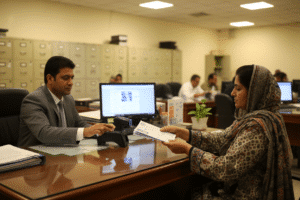
The BISP 8171 Online Check Balance system gives millions of Pakistani families a fast, reliable way to verify their March 2026 payment status under the Benazir Kafalat Program — directly from a phone or computer, without visiting any office.
The Benazir Income Support Programme has transformed how low-income families across Pakistan access financial assistance. With the March 2026 installment now in active distribution, registered beneficiaries need a clear, accurate method to confirm their payment status, check their eligibility, and understand what to do if something goes wrong. The 8171 system exists precisely for this purpose.
Millions of households depend on this program. And yet, confusion about how to use the online portal, the SMS service, or what error messages actually mean remains widespread. This guide covers every step.
BISP 8171 online check balance: how the portal works in 2026
The official 8171 web portal is the primary tool the Government of Pakistan has provided for beneficiaries to monitor their payment status without physically traveling to a BISP office. It works on both mobile phones and desktop computers, making it accessible even in areas with limited infrastructure.
The verification process is straightforward and takes under two minutes:
- Open the official 8171 web portal on your device
- Enter your 13-digit CNIC number in the designated field
- Complete the captcha code displayed on screen
- Click the "Check Status" button
- Review your payment details, eligibility status, and current balance
Always use the official 8171 portal. Never share your CNIC details with unauthorized agents — this is a documented fraud risk that can compromise your payment access.
If the portal shows no payment, it does not necessarily mean you are ineligible. The March 2026 installment is being released in phases, and your payment may simply not have been processed yet for your district. Check back within a few days before taking any further action. If you're experiencing repeated issues, the common reasons behind delayed BISP payments are worth reviewing carefully.
Checking your balance without internet access
For families living in remote areas or without reliable internet connectivity, the SMS service on 8171 provides an equally valid alternative. Open your messaging app, type your CNIC number without any dashes or spaces, and send it to 8171. A response message will arrive with your current payment status.
One important technical note: if you do not receive an SMS response, the most likely cause is that your SIM card is not registered under the CNIC you used. Each number must be linked to the correct identity document to function with this service. For a full breakdown of how this service works and any associated charges, the 8171 SMS service guide for 2026 provides detailed information.
Who qualifies for the March 2026 Benazir Kafalat payment
Eligibility for the BISP March 2026 payment is not automatic. The program targets low-income families registered through the NSER Dynamic Survey (National Socio-Economic Registry), with a specific priority given to women as the primary recipients under the Benazir Kafalat Program.
Certain categories are explicitly excluded. Government employees and taxpayers are generally not eligible, regardless of household income claims. The program is designed for families who have no other formal financial support mechanism.
Eligibility is determined by the NSER Dynamic Survey data. If your household information has changed — address, income, family composition — updating your survey record directly affects whether you receive payments on time.
The survey is not a one-time formality. It is a dynamic registry, meaning that outdated or incomplete data can trigger payment delays or disqualification. Families whose CNIC is not recognized during a portal check are typically required to redo the BISP dynamic survey at their nearest registration center.
Completing or updating the NSER survey
If your status check reveals a problem tied to your survey record, the process to fix it requires an in-person visit:
- Go to the nearest BISP registration center
- Bring your original CNIC and complete household information
- Fill out the NSER dynamic survey with accurate, current data
Keeping this information updated directly supports the program's goal of targeting the families who genuinely need assistance. It also protects your access to future installments. The BISP 8171 dynamic survey update process explains how to complete this registration through the official BISP portal.
Where and how to collect the March 2026 payment
Confirming your balance is only part of the process. Collecting the actual payment requires a separate set of steps, and beneficiaries have multiple options depending on their location and available infrastructure.
Punjab Ramzan Package amount distributed from February 24, 2026
The three main collection channels for BISP payments in March 2026 are:
- BISP Campsites spread across multiple districts, where staff assist with verification
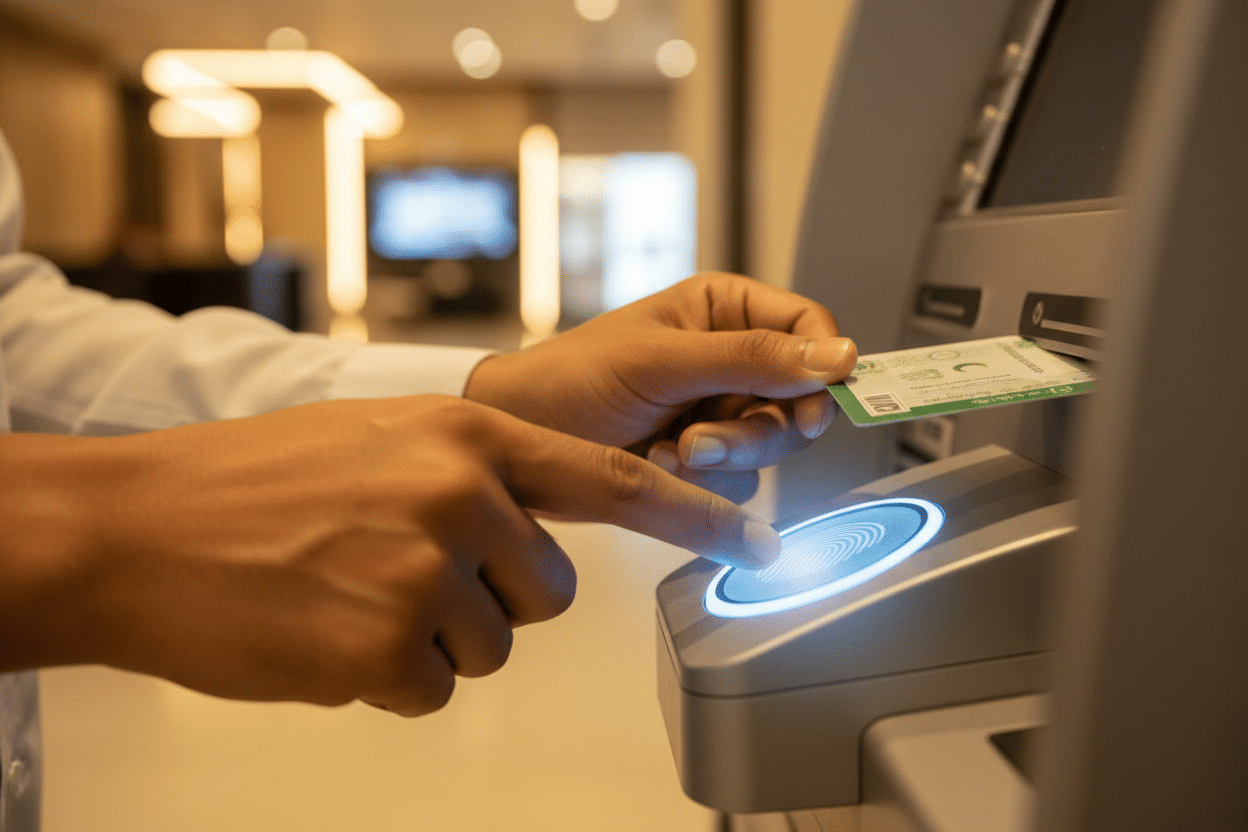
- ATMs at partner banks, which require biometric authentication
- Authorized Retail Payment Centers, including registered agents and merchants
Regardless of which channel you use, bringing your original CNIC is non-negotiable. Biometric verification is required at ATMs and BISP camps to confirm identity before any funds are released. This layer of security exists to prevent fraudulent collection by third parties.
For those who want a detailed walkthrough of the ATM collection process, the step-by-step guide for BISP payment through ATM covers the full procedure. And if you're facing biometric issues specifically, there are documented solutions available to resolve them before your next collection attempt.
Protecting yourself from fraud during payment collection
The BISP program has explicitly flagged unauthorized agents as a fraud risk. These individuals may claim to help beneficiaries check their status or collect payments in exchange for a fee or personal information. No legitimate BISP process requires you to pay a third party or share your CNIC details with anyone outside the official system.
The rule is simple: use only the official 8171 portal or the 8171 SMS service. Keep your mobile number active and registered under your CNIC so that payment notifications reach you directly. And never hand over your CNIC — physical or digital copy — to anyone claiming to facilitate your payment outside of an authorized center.
What to do when the BISP 8171 balance check shows an error
Not every portal visit produces a clean result. Several specific scenarios require different responses, and understanding them saves time and prevents unnecessary trips to BISP offices.
If your CNIC is not found: This typically means your record is not in the active registry, or there is a data mismatch. The solution is to visit a BISP registration center and complete or re-verify the NSER dynamic survey.
If your payment shows as pending: The March 2026 installment is being distributed in stages. A pending status means the payment has been approved but not yet released for your area. No action is needed — monitor the portal over the following days.
If you receive no SMS response: Your SIM is likely not registered under the CNIC you sent. Contact your telecom provider to verify the registration, or switch to the web portal method instead.
If your eligibility status is marked as ineligible: Review whether your household data reflects your current situation. Changes in income, employment status, or family composition that were not reported to BISP can affect eligibility determinations. Updating your survey record is the only path to correction.
The broader value of the BISP 8171 online check balance system goes beyond individual convenience. By reducing the need for beneficiaries to physically visit BISP offices, the system cuts down on travel costs for families in remote areas and reduces the opportunity for intermediaries to interfere with payments. Transparency in distribution — knowing exactly when a payment is released and how much it is — gives beneficiaries real control over their financial planning. For a program supporting millions of low-income families across Pakistan, that transparency is not a minor feature. It is what makes the system trustworthy. Keeping your CNIC registration current, your mobile number active, and your survey data accurate are the three practical actions that keep your access to these payments uninterrupted.