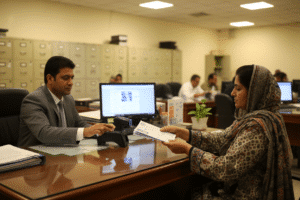
BISP 8171 payment not received is one of the most common concerns among low-income families in Pakistan. The Benazir Income Support Programme distributes funds to millions of households simultaneously, and delays are often caused by specific, fixable issues — not cancellations. Understanding the five main reasons behind a delayed payment can save beneficiaries time, stress, and unnecessary trips to government offices.
The frustration is real. When a family counts on financial assistance and the payment doesn't arrive, panic sets in quickly. Many beneficiaries assume their eligibility has been cancelled, when in reality the problem is almost always temporary and resolvable. BISP, the government-run social protection programme, has identified five core reasons why payments get held up, and each one comes with a clear path to resolution.
Incomplete dynamic survey is the most common culprit
The Dynamic Survey (also called the Enquête Dynamique) is a mandatory household data update required by BISP. When a beneficiary's household information changes — income levels, family composition, living conditions — the programme requires that those details be refreshed in its system. If this survey is not completed or has not been updated, the payment is suspended temporarily until the process is finalized.
Why the dynamic survey triggers payment holds
BISP uses this survey data to assess whether a household still qualifies for financial assistance. The system is designed to ensure that funds reach families who genuinely need them. When the data is outdated or missing, the programme cannot confirm eligibility, and payment is withheld as a precaution rather than a penalty.
The fix is straightforward: visit the nearest BISP Tehsil Office, bring your original CNIC (Computerized National Identity Card), and request that the dynamic survey be completed or updated. Staff at the office can process the update on the spot in most cases, after which payment processing resumes within a few days.
CNIC verification issues with NADRA create payment holds
NADRA (the National Database and Registration Authority) is responsible for validating the identity of every BISP beneficiary. If a beneficiary's CNIC information is incomplete, expired, or doesn't match the records held by NADRA, the payment is placed on hold until the discrepancy is resolved.
Keeping CNIC records current prevents recurring delays
This issue affects thousands of families, particularly those who have recently changed their address, marital status, or other personal details. BISP cross-references all beneficiary data against NADRA's records before releasing funds, so even a minor mismatch can freeze a payment.
The solution requires a visit to the nearest NADRA office to update personal information. Once the records are aligned, BISP's system can verify the beneficiary's identity and release the funds. Beneficiaries who want to avoid this problem in the future should make it a habit to keep their CNIC information current at all times, especially after any major life change.
If you’re unsure whether your CNIC details match NADRA’s records, you can verify your status via the 8171 SMS service before visiting any office. Type your CNIC number without dashes and send it to 8171 for an instant status update.
Biometric verification failure blocks payment release
Biometric verification is the method BISP uses to confirm that the right person is collecting the payment. Beneficiaries must authenticate their identity using fingerprint recognition at BISP payment centres or at designated ATMs. When the fingerprint scan fails — due to worn fingerprints, a technical error, or outdated biometric data on file — the payment is not released.
This is a particularly frustrating situation because the beneficiary is physically present and ready to collect, but the system won't proceed. The cause is usually that the biometric data stored in the system no longer matches the person's current fingerprints, which can happen naturally over time or after physical work that affects fingertip texture.
Resolving this requires a visit to a BISP payment centre or a NADRA office to update biometric information. Once the new fingerprint data is recorded and synced, the beneficiary can return to collect the payment without further issues. For those wondering how to check Ehsaas payment status without internet access, offline SMS-based verification through 8171 remains available regardless of biometric status.
Internal BISP system processing delays affect millions at once
Not every delay is caused by a problem on the beneficiary's end. When the Government of Pakistan announces a new payment cycle, millions of families receive funds simultaneously. The sheer volume of transactions processed at the same time can cause the system to slow down, resulting in delays of several days even for fully eligible beneficiaries with no documentation issues.

of beneficiaries receive BISP payments simultaneously during each cycle
This type of delay is system-side and requires no action from the beneficiary. The payment will arrive once the processing queue clears. Beneficiaries can monitor their status through the 8171 web portal or the SMS service to confirm that their payment is in the queue. If you want to stay current on when disbursements are expected, checking the latest BISP March 2026 payment schedule gives a clearer picture of official release timelines.
How to check payment status while waiting for processing
Two methods are available for real-time status checks:
- SMS method: Open the messaging app, type the CNIC number without dashes, and send it to 8171. A response arrives with the current payment status.
- Web portal method: Visit the official 8171 portal, enter the CNIC number, complete the verification code, and click the "Check Status" button.
Both methods work independently of the payment centre and give beneficiaries a clear indication of whether their payment is pending, processed, or flagged for review.
Eligibility status under review causes temporary suspensions
The Government of Pakistan conducts periodic re-evaluations of all BISP beneficiaries to ensure that funds continue to reach those who qualify. When a beneficiary's file is selected for review, payments are temporarily suspended while the assessment is underway. This does not mean eligibility has been cancelled — it means the system is in the process of confirming it.
What to do when eligibility is flagged for reassessment
Many beneficiaries interpret a suspension during review as a permanent disqualification, which is rarely the case. The review process is a standard part of how BISP manages its beneficiary database, and most cases are resolved in favour of the existing beneficiary once the assessment is complete.
If a payment has been suspended and the SMS or portal check indicates an eligibility review, the recommended step is to visit the nearest BISP Tehsil Office with the original CNIC. Staff can confirm the status of the review, explain what documentation may be needed, and help the beneficiary complete any outstanding verification. Staying informed about broader programme updates — including important instructions issued by BISP after recent payment disbursements — can also help beneficiaries understand what the programme expects from them during review periods.
A payment suspension during an eligibility review is not the same as losing your BISP status. Do not assume your registration has been cancelled until you have visited a BISP Tehsil Office and received official confirmation.
Preventing future BISP 8171 payment delays
The five reasons above cover the vast majority of cases where a BISP 8171 payment fails to arrive on time. Most of them share a common thread: outdated or unverified information in the system. Keeping records current is the single most effective way to avoid repeated delays.
Practically speaking, this means updating CNIC information at NADRA whenever personal details change, completing the dynamic survey as soon as BISP requests it, and checking biometric data periodically to ensure it still registers correctly at payment centres. Beneficiaries enrolled in mobile-based disbursement should also be aware of recent developments — for example, BISP beneficiaries using JazzCash and Telenor have been receiving payments through those channels, which introduces its own set of requirements for account verification.
Regular status checks through 8171 — either by SMS or via the web portal — remain the fastest way to catch a problem early, before it becomes a prolonged delay. The programme is designed to support families in genuine need, and the administrative hurdles, while frustrating, exist to protect the integrity of that support. Knowing which hurdle is in the way is already half the solution.