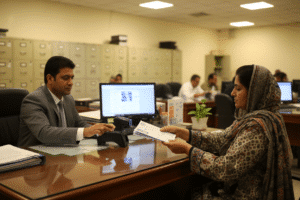
The BISP 8171 payment not received issue affects thousands of low-income families across Pakistan every disbursement cycle. In most cases, the delay is not a sign that eligibility has been cancelled — it traces back to one of five specific, fixable causes. Understanding each one can save beneficiaries time, confusion, and unnecessary worry.
The Benazir Income Support Programme (BISP) is one of Pakistan's largest government-run financial assistance programs, delivering regular cash transfers to millions of low-income households. When a payment fails to arrive, the frustration is immediate. Bills don't wait, and neither do families who depend on these funds. But a delayed payment and a cancelled payment are two very different things, and knowing the distinction matters.
Five reasons your BISP 8171 payment is delayed
Most BISP payment delays fall into a predictable set of categories. Each one has a clear cause and a clear resolution path. Here is what beneficiaries need to know.
Incomplete or outdated dynamic survey
The dynamic survey is the foundational data-collection process that BISP uses to assess household eligibility. If a beneficiary has not completed this survey, or if the information on file is outdated because of changes in household size, income, or living conditions, the system flags the account and suspends payments until the data is refreshed.
January 2026 marked a national cycle of registration and data verification across Pakistan. Any beneficiary who missed this window or submitted incomplete responses is likely experiencing a hold on their disbursement. The fix is straightforward: visit the nearest BISP Tehsil office, bring accurate household information, and complete or update the survey on record. A detailed walkthrough of this process is available in the BISP dynamic survey update guide.
CNIC verification problems with NADRA
Every BISP beneficiary is identified through their CNIC (Computerized National Identity Card), issued and managed by NADRA. If the CNIC is expired, the name or address on file doesn't match current records, or the card has not been renewed after a change in personal details, BISP cannot process the payment.
This is one of the most common causes of delayed disbursements. The solution is a visit to the nearest NADRA office to update personal information, renew the card if necessary, and ensure all details align with what is registered in the BISP system. Once NADRA confirms the update, the hold on the payment is typically lifted within a few processing days.
Biometric verification failure
Biometric verification is required at BISP payment centers and ATMs before funds are released. The system matches the beneficiary's fingerprint against the NADRA database in real time. If the fingerprint scan fails, whether due to worn fingertips, a technical glitch, or outdated biometric data on file, the payment cannot be disbursed.
Repeated biometric failures can cause extended payment holds. If fingerprint verification fails more than once, beneficiaries should visit their nearest NADRA office to update their biometric data before attempting again.
Beneficiaries dealing with this issue should visit either a BISP payment center or a NADRA office to refresh their biometric records. For those wondering whether there are alternative collection methods, the guide on receiving BISP payments without biometric verification covers the available options. And for those who prefer ATM-based collection, the BISP payment through ATM step-by-step guide explains the full process.
System processing delays during mass disbursement
BISP distributes funds to millions of beneficiaries simultaneously when a payment round is announced. The sheer volume of transactions means that not every account is credited at the exact same moment. Processing delays of a few days are normal during peak disbursement periods, and they do not indicate any problem with an individual account.
This is particularly relevant during major announcement windows, such as the Ramzan 2026 relief activations, which combined federal disbursements with the Punjab government's CM Nigehban Rashan Package and the 9999 Ramzan Relief programme. When multiple schemes run in parallel, backend processing timelines stretch further. The practical advice here is to recheck payment status after a few days rather than assuming the worst.
Eligibility status under review
BISP periodically re-evaluates the eligibility of its beneficiaries. When an account is flagged for review, whether due to changes in household income, a data discrepancy, or a routine audit, payments are temporarily suspended until the review is complete.
A payment suspension during an eligibility review does not mean benefits have been permanently cancelled. Most reviews are resolved once the beneficiary visits their nearest BISP office and confirms their current status.
The January 2026 re-registration window and the reopening of the Benazir Kafalat Programme application window were both tied to this kind of eligibility reassessment. Thousands of families across Pakistan found themselves in a temporary hold during this period. Visiting the nearest BISP office with the original CNIC and requesting a status confirmation is the fastest way to resolve it.
How to check your BISP 8171 payment status
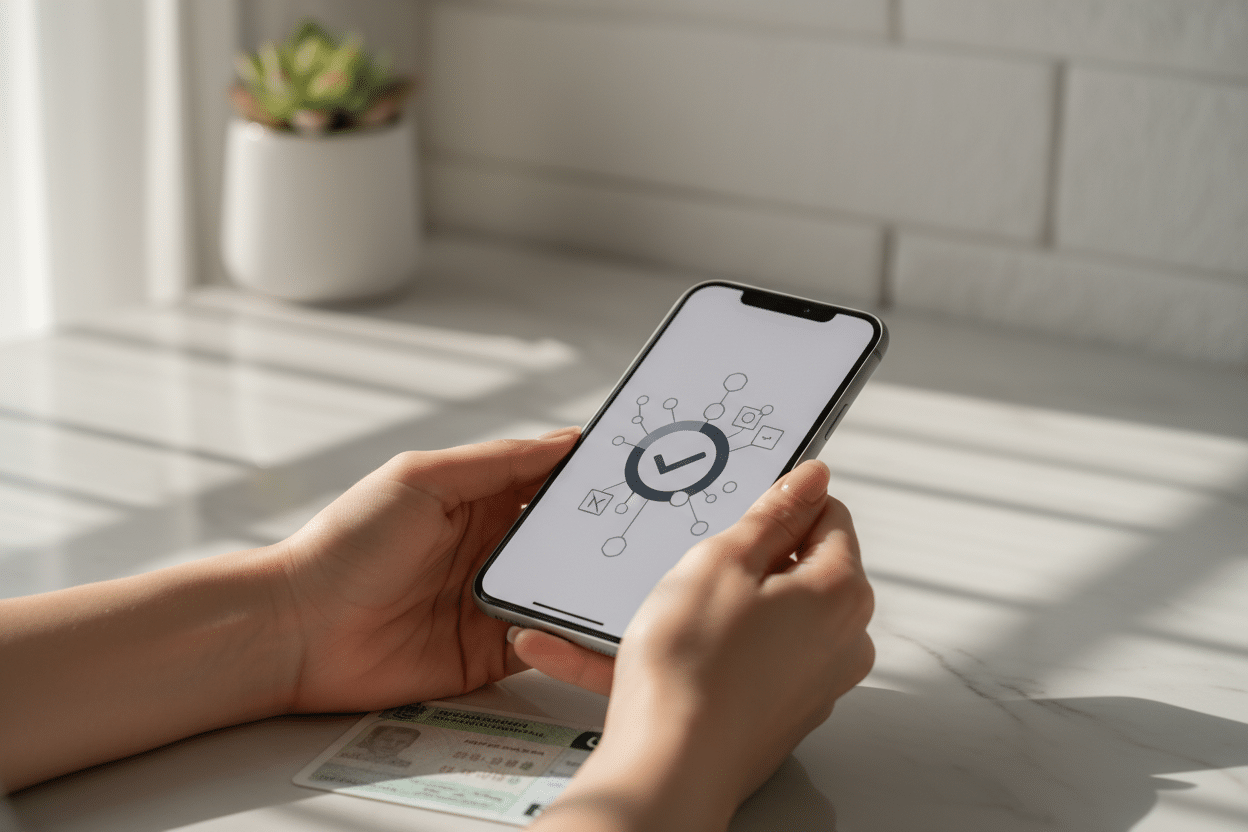
Before heading to any office, beneficiaries can verify their payment status from home using two official methods.
SMS method via 8171
The SMS verification process is simple and accessible without internet access:
- Open the phone's messaging application
- Type the CNIC number without any dashes or spaces
- Send the message to 8171
- A reply will arrive with the current payment status
This method works on any mobile network and is the fastest way to get an initial read on whether a payment is pending, processed, or held.
Web portal method
For those with internet access, the 8171 web portal provides the same information with slightly more detail:
- Visit the official 8171 portal
- Enter the CNIC number in the designated field
- Complete the verification code (captcha)
- Click the "Check Status" button to view results
If the SMS method isn't working as expected, a broader troubleshooting guide is available covering alternative ways to check BISP payment status when the standard SMS route fails.
What to do when the payment still hasn't arrived
If checking the status confirms a delay and the standard waiting period has passed, the next step is an in-person visit to the nearest BISP Tehsil office. Beneficiaries should bring:
- The original CNIC (not a photocopy)
- Any previous payment records or correspondence from BISP
At the office, the representative can verify current eligibility, identify any pending surveys or documentation requirements, and flag the account for priority processing if a technical error is found. Completing any outstanding verification or survey on the spot is the single most effective way to unblock a delayed payment.
Keeping CNIC details current with NADRA, completing the dynamic survey promptly, and checking payment status regularly via SMS 8171 are the three habits that prevent most payment delays before they start.
Beyond resolving the immediate issue, beneficiaries who stay proactive about their BISP records are far less likely to face repeated disruptions. Maintaining up-to-date biometric data, responding quickly to survey requests, and tracking each disbursement cycle through the official 8171 portal or SMS channel keeps accounts in good standing, regardless of how many concurrent programmes are running at the federal or provincial level.