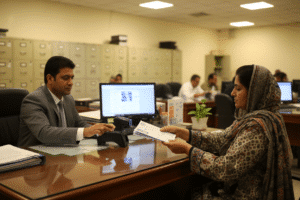
The BISP 14500 payment has officially started rolling out across Pakistan. Registered beneficiaries under the Benazir Kafalat program can now collect their 14,500 rupee installment at designated payment camps and centers in their district. Biometric verification is mandatory, and beneficiaries must bring their original CNIC to receive the funds.
The Government of Pakistan has launched a new distribution phase for the Benazir Income Support Program (BISP), releasing an installment of 14,500 rupees to eligible low-income families. This payment, tied to the BISP camp payments March 10 update, is being processed in multiple phases across different districts, with payment camps set up to ensure reach even in remote areas.
For millions of households struggling with rising inflation, this quarterly disbursement is more than a government transfer. It covers food, education, and healthcare needs, and represents one of Pakistan's most significant social safety net commitments. If you are a registered beneficiary, here is everything you need to know to collect your payment without delay or complication.
How to collect the BISP 14500 payment at a camp
Payment camps have been established across various districts throughout Pakistan. These are temporary but organized structures where Benazir Kafalat beneficiaries can walk in and collect their 14,500 rupee qist directly. The process is straightforward, but there are non-negotiable requirements every beneficiary must meet before receiving any funds.
What to bring and what to expect
When visiting the nearest payment center, bring your original CNIC (Computerized National Identity Card). No photocopies, no proxies. Once you arrive, you will go through biometric verification, which confirms your identity against the data held in the system. This step is mandatory and cannot be skipped or bypassed.
After successful verification, the 14,500 rupees are handed over and you receive a payment receipt. Keep that receipt. It serves as your official proof of collection and protects you in case of any future dispute or discrepancy in your payment record.
The biometric verification step explained
Biometric verification is the cornerstone of the BISP payment system. It prevents fraud, eliminates ghost beneficiaries, and ensures the money reaches the actual registered woman head of household. If your biometric data does not match or your CNIC has expired, the payment will not be released on the spot. In that case, the recommended course of action is to visit the nearest BISP registration center to update your information before attempting again. For beneficiaries who have faced this issue before, a detailed walkthrough is available on how to fix BISP biometric verification problems.
Never pay an agent or intermediary to collect your BISP payment. No authorized BISP representative charges a fee. Sharing your CNIC details or personal information with unauthorized individuals puts your payment and your data at serious risk.
Who qualifies for the 14500 rupee installment
Eligibility for the BISP Kafalat payment is not self-declared. It is determined through a structured government process involving two key instruments: the NSER (National Socio-Economic Registry) survey and the PMT (Proxy Means Test) score. Households that completed the dynamic NSER survey and scored below the poverty threshold are registered in the system and qualify for payments.
Primary beneficiaries under Benazir Kafalat
The program specifically targets women registered as heads of household. A valid CNIC in the woman's name is required, along with confirmation that the household falls within the low-income bracket as assessed by the NSER data. Households with incomplete survey data or mismatched identity records are frequently the ones who face payment delays.
If your payment has not come through despite being registered, the issue often falls into one of several common categories: biometric mismatch, expired CNIC, incomplete NSER survey, or the payment simply not yet released for your specific district. The most common reasons behind BISP payment delays are well-documented and worth reviewing if your funds have not arrived.
The education stipend component
Beyond the 14,500 rupee cash transfer, registered families with school-age children can also access the BISP Kafalat Education Stipend. This component provides additional financial support specifically for children's schooling. Notably, stipend amounts are higher for female students, a deliberate policy choice aimed at encouraging girls' enrollment and reducing dropout rates. This layered approach means that a qualifying household can receive both the core quarterly payment and an education supplement, making the total benefit considerably more substantial.
quarterly installment now being distributed to BISP Kafalat beneficiaries across Pakistan
How to verify your BISP payment status online
Not everyone lives near a payment camp, and some beneficiaries want to confirm their status before making the trip. The BISP gov pk 8171 portal allows registered users to check their balance and payment status from any internet-connected device.

Step-by-step: BISP 8171 online check balance
The process on the official portal is simple:
- Open the official BISP gov pk 8171 portal in your browser
- Enter your CNIC number in the designated field
- Complete the captcha verification
- Click the submit button
- Your payment details, including whether the 14,500 rupee installment has been released, will appear on screen
This method is the most reliable way to confirm your status before visiting a center. For beneficiaries who have had trouble with the 8171 SMS service, there are alternative ways to check your BISP payment status that do not depend on SMS functionality. And for a more detailed verification walkthrough specific to the BISP 14500 payment, the Benazir Fund payment verification method covers the process step by step.
The BISP portal uses real-time verification through NADRA data. If your CNIC information has recently changed, there may be a short lag before the system reflects the update. Visit your nearest BISP registration center to ensure your records are current before the next payment phase.
The broader context: BISP payments in March 2026
The 14,500 rupee installment being distributed now represents an increase from the 13,500 rupees that was the standard quarterly amount in earlier phases, including the Benazir Kafalat payment cycle of January 2026. The upward adjustment reflects the government's acknowledgment of ongoing inflationary pressure on low-income households.
March 2026 is a particularly active month for social assistance in Pakistan. Alongside the BISP Kafalat distribution, the Wazir Azam Ramzan Relief Package is also active, accessible via the 8070 service number. For those interested in the Ramzan-specific support available this month, the 8070 Ramzan Package details provide a useful parallel reference. Separately, the Bewa Sahara Card 2026 offers a distinct benefit of up to Rs. 1.50 lakh for qualifying widows, operating as a separate stream from the standard Kafalat installment.
The BISP March 2026 payment schedule is being rolled out in phases, which means not every district receives funds on the same day. If your district has not yet been activated, your payment is likely still incoming rather than denied. Beneficiaries are advised to monitor the 8171 portal regularly and watch for official announcements through BISP's verified channels. The distribution is ongoing, the camps are open, and the 14,500 rupees are waiting for those who meet the criteria and arrive prepared.