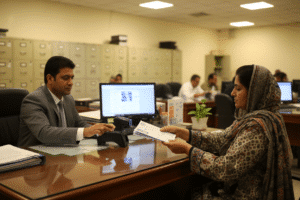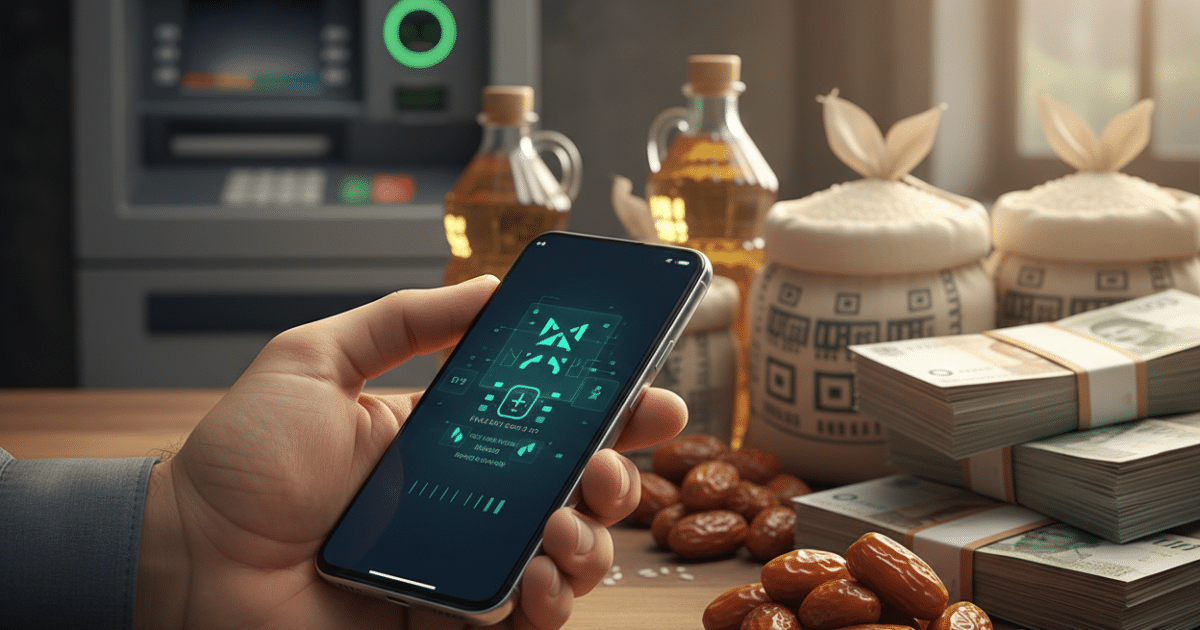
The Benazir Income Support Programme (BISP) has announced a new quarterly payment of Rs 14,500 for registered beneficiaries in 2026, up from the previous Rs 13,500. Alongside this increase, multiple Ramadan assistance packages are available through portals 8171, 9999, 8070, and 8558, offering additional financial relief to low-income families across Pakistan.
The Pakistani government has raised the BISP quarterly payment to address the growing pressure of inflation and rising living costs. For millions of registered households, this Rs 1,000 increase is not symbolic — it reflects a concrete policy response to economic hardship. And with Ramadan 2026 bringing additional relief programs into play, eligible families now have access to more support channels than in previous years.
Understanding how to verify eligibility, claim payments, and stay safe from fraud has become essential for every BISP beneficiary navigating this updated system.
BISP new payment of Rs 14,500 marks a real increase
The Benazir Income Support Programme has officially updated its quarterly disbursement from Rs 13,500 to Rs 14,500 for the 2026 cycle. This adjustment directly responds to Pakistan's sustained inflationary environment, where the cost of food, fuel, and basic necessities has continued to climb. The government, through the NSER (National Socio-Economic Registry), determines which families qualify for these transfers based on their socio-economic profile.
new quarterly BISP payment for registered beneficiaries in 2026
Payments remain quarterly, meaning eligible households receive this amount four times per year. For families living below the poverty line, the cumulative annual value of this assistance represents a meaningful portion of their household income. The increase is not automatic for all — beneficiaries must ensure their data in the NSER is current and accurate to avoid disruptions.
Why the payment amount increased
The shift from Rs 13,500 to Rs 14,500 is tied directly to macroeconomic conditions. Pakistan has faced significant inflationary pressure over the past several years, pushing the cost of essential goods — flour, cooking oil, rice, sugar — well beyond what many low-income families can absorb. The BISP payment revision reflects an attempt to keep the programme's real value from eroding entirely. You can find more detail on the current payment schedule and how to confirm your installment through the BISP March 2026 payment release guide.
Common issues that block BISP payments
Not every registered beneficiary receives their payment without friction. Several recurring problems can delay or suspend disbursements:
- Incorrect CNIC information on file
- Outdated data in the NSER database
- Mobile number not registered under the applicant's own name
- Incomplete household information
If your payment has not arrived, reviewing each of these factors is the first step. A dedicated resource on why BISP payments get delayed covers these scenarios in depth.
Ramadan 2026 packages bring additional financial relief
Beyond the standard quarterly payment, the Pakistani government has activated several targeted Ramadan 2026 assistance programs for low-income families. BISP beneficiaries are treated as priority recipients across these initiatives, which operate through distinct channels and offer varying amounts.
The 8171 web portal and the 9999 SMS system both provide Ramadan-specific packages. Through the 8171 portal, eligible families can access Rs 10,000 in financial assistance. The 9999 system, linked to the broader Nigehban initiative, offers a larger package of Rs 13,000. If you want to understand how the 9999 verification process works in practice, the complete guide to messaging 9999 for Nigehban Card checks provides a step-by-step breakdown.
The 8070 and 8558 programs for Ramadan relief
Two additional programs extend the reach of Ramadan support. The 8070 program focuses on the distribution of subsidized flour and wheat, addressing food security directly rather than through cash transfers. Families send their 13-digit CNIC number to 8070 via SMS to check eligibility and receive confirmation of their entitlement.
The 8558 program operates at the provincial level, with individual provinces running their own Ramadan relief initiatives under this code. Coverage and amounts vary by province, but the verification method remains consistent: send your CNIC to 8558 and wait for a confirmation message.
Rs 10,000 via 8171 portal · Rs 13,000 via 9999 system · Subsidized flour and wheat via 8070 · Provincial relief via 8558. BISP-registered families are prioritized across all four channels.
The goods covered under Ramadan relief programs go beyond cash. Subsidized items typically include flour, sugar, rice, cooking oil, and other basic household necessities — products whose market prices have risen sharply and whose availability through government channels provides tangible relief during the holy month.
How to verify BISP eligibility and payment status in 2026
Checking your BISP payment status in 2026 can be done through four official channels. Each method requires your 13-digit CNIC number and takes only a few minutes.

Via the 8171 web portal:
- Open the official 8171 portal in your browser
- Enter your 13-digit CNIC number
- Complete the captcha verification
- Click "Submit"
- Your eligibility status will appear on screen
Via SMS to 9999:
- Open your phone's messaging app
- Type your 13-digit CNIC number
- Send the message to 9999
- Wait for the automated confirmation reply
Via SMS to 8070:
- Open your SMS application
- Type your CNIC number
- Send to 8070
- A confirmation message will follow
Via SMS to 8558:
Send your CNIC number directly to 8558 to check provincial Ramadan relief eligibility.
For a full breakdown of what the 8171 service covers and any associated details, the 8171 SMS service guide for 2026 is a useful reference. And if you want to verify your March installment specifically, the 8171 BISP payment verification page walks through the process in detail.
Fraud risks and how to protect your BISP entitlements
The expansion of digital assistance programs has unfortunately attracted fraudulent actors. Two threats stand out in particular: fake websites mimicking official government portals, and unauthorized agents who approach beneficiaries requesting their CNIC number in exchange for registration help or payment facilitation.
Never share your CNIC with anyone claiming to register you for BISP or Ramadan packages. All official services are completely free. Any request for payment is a scam.
Protecting yourself from BISP-related scams
The rules are straightforward. Use only the official 8171 web portal or the verified SMS numbers (9999, 8070, 8558) to check your status or eligibility. Never pay a fee for registration, verification, or assistance — every legitimate government service under BISP and the Ramadan relief programs is provided at no cost to the beneficiary.
Sharing your 13-digit CNIC with unauthorized agents creates real risk: your personal data can be used to divert payments or commit identity fraud. If someone approaches you offering to "speed up" your BISP registration or guarantee a payment in exchange for your CNIC, refuse and report it.
The government has been clear: all enrollment and payment verification happens through official channels only. Staying within those boundaries is the most reliable way to protect both your identity and your financial entitlements under the BISP 14,500 payment system for 2026.