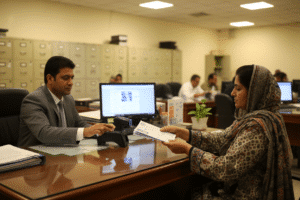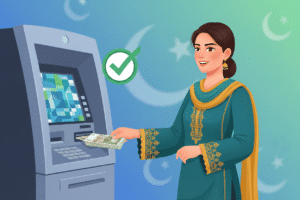
The 8171 Ehsaas Program allows Pakistani beneficiaries to check their payment status without internet access through a free SMS service. By sending a 13-digit CNIC number to 8171, low-income families across Pakistan — including those in rural areas — can instantly verify their eligibility and payment status for amounts like PKR 14,500 or Rs 15,500. In 2026, the government introduced multiple verification methods to ensure no eligible household is left out.
Millions of Pakistani families depend on the Ehsaas Program and the Benazir Income Support Programme (BISP) for financial support. But what happens when you live in a remote area with no internet connection? The good news: checking your 8171 Ehsaas payment does not require a smartphone, a data plan, or even a web browser.
The Government of Pakistan has deliberately built offline-first solutions into the program's architecture. The SMS-based verification system, physical BISP registration centers, and on-site biometric payment camps all serve one purpose — making sure that the most vulnerable households can access their entitlements without friction.
The SMS method is the easiest way to check without internet
The 8171 SMS verification system is the simplest and most accessible offline option available in 2026. It works on any basic mobile phone, requires no data connection, and is free on most major Pakistani mobile networks.
How to send your CNIC to 8171
The process itself takes under a minute. Open the SMS application on your phone. Type your 13-digit CNIC number exactly as it appears on your national identity card — no dashes, no spaces, no additional characters. Send that message to 8171. Within a few moments, the system sends back an automated reply confirming your payment status, eligibility, or any pending action required.
This method is directly linked to NADRA's national database. Every CNIC is tied to a unique validation ID within the BISP system, which is why accuracy matters. A single incorrect digit returns an invalid status — not because you are ineligible, but because the system cannot match the number to any registered profile.
The SMS verification will not work if your mobile number is not linked to your CNIC in the NADRA database. Make sure your SIM is registered under your own national identity number before using this service.
Why rural beneficiaries rely on the SMS channel
For families living in areas without reliable internet infrastructure, the 8171 SMS service is not a backup option — it is the primary tool. Connectivity gaps across Pakistan's rural provinces mean that a web portal, however well-designed, simply cannot reach every eligible household. The SMS channel bridges that gap. It requires nothing more than a basic network signal and a functional handset, both of which are far more widely available than broadband internet across the country.
If you want to understand more about registration requirements tied to mobile numbers, the guide on whether 8171 registration is possible without a mobile SIM covers the topic in full detail.
Visiting a BISP center gives you full access to your payment record
When the SMS reply raises questions — or when a beneficiary needs to update household information, complete the BISP dynamic survey, or resolve a pending status — visiting a physical BISP registration center is the right move.
What to bring and what to expect
Bring your original CNIC. That is the only document required for a basic status check. At the center, staff can verify your eligibility, confirm whether your payment has been processed, update your family information if circumstances have changed, and flag any issues blocking your disbursement. If your status shows as pending, it is often because the BISP dynamic survey has not been completed — something center staff can help you resolve on the spot.
The 8171 validation BISP Gov PK system used at these centers is the same database that powers the SMS and online verification tools. So the information you receive in person matches exactly what the automated systems would return — with the added benefit of a human being who can explain what it means and what to do next.
Always visit official BISP registration centers. Unofficial agents sometimes charge fees for services that are entirely free through government channels — and they cannot actually modify your status in the system.
Collecting payments at BISP campsites
Beyond status checks, BISP payment centers and campsites are where actual disbursements take place. Beneficiaries present their CNIC, undergo biometric verification, and receive their payment in person. This process applies to the current PKR 14,500 Ehsaas installment and the Rs 15,500 BISP Qist that began on a Monday in early 2026. Designated banks also serve as payment points in some areas, offering an additional channel for those who prefer a more formal banking environment.
The online portal remains available for those with occasional internet access
Not every beneficiary is completely offline. Many people in semi-urban areas have occasional access to a smartphone, a shared computer, or a mobile data connection. For them, the 8171 validation online check system and the official 8171 validation BISP Gov PK portal provide a more detailed view of payment history and registration status.
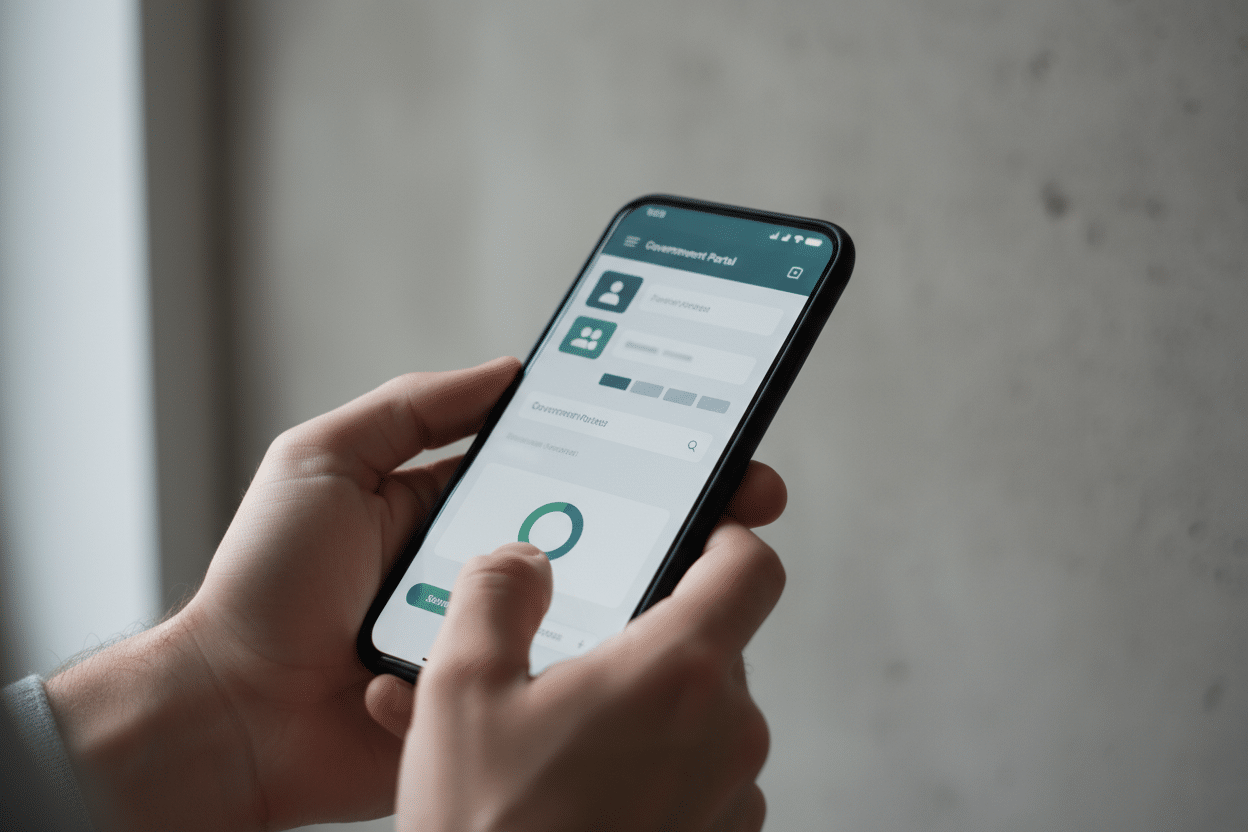
Using the portal for online registration and status checks
The 8171 validation online registration process follows a straightforward sequence. Visit the official portal, enter your 13-digit CNIC in the verification field, provide household information if the system requests it, submit the form, and wait for confirmation after the database cross-check completes. The 8171 validation BISP Gov PK ID and password system allows registered users to log back in and monitor their 8171 validation status over time.
For a step-by-step walkthrough of the web portal itself, the dedicated guide on the BISP 8171 web portal covers every field and function in detail. And if you are also enrolled in food assistance, the Ehsaas Rashan registration process for 2026 follows a similar structure worth reviewing.
women removed from BISP in January 2026 following a program review
Program updates in 2026 affect eligibility for many beneficiaries
2026 has brought significant changes to the Ehsaas ecosystem. In January 2026, 820,000 women were removed from the BISP program following a database review — a move designed to eliminate duplicate registrations and fraudulent entries but one that has left many legitimate beneficiaries confused about their status. If your SMS reply or portal check suddenly shows an unexpected result, this review may be the reason.
What to do if your status has changed
A pending or invalid status does not automatically mean permanent exclusion. The system flags issues that can often be resolved. If the BISP dynamic survey was never completed for your household, completing it is the most direct path to restoring eligibility. If your personal information has changed — a new address, a change in household composition, or a discrepancy between your CNIC data and what is on file — a visit to the nearest BISP registration center allows staff to update the record.
The Ehsaas Nojawan Program reopened online registration in January 2026, offering a separate channel for younger beneficiaries who may not qualify under the standard BISP criteria. And the March 2026 Ehsaas Program update introduced further adjustments to payment scheduling and eligibility criteria that active beneficiaries should monitor through the official SMS channel or portal.
One question that comes up frequently among families trying to coordinate their registrations: whether multiple household members can use the same phone number. The answer has real consequences for payment delivery, and the full breakdown is available in the guide on using the same number for 8171 registration.
Families who have not yet registered at all remain entirely outside the payment system. The program cannot reach households that have not completed the enrollment process — which is why both the SMS verification and the physical center network exist not just for status checks, but as entry points for first-time applicants who need to establish their place in the 8171 validation status BISP database before any payment can be processed.