The Nigehban Card 10000 scheme offers eligible Pakistani families Rs. 10,000 in financial assistance during Ramadan. Checking your eligibility is straightforward: send your 13-digit CNIC to 9999 via SMS, or verify online through the official government portal. Knowing the exact steps — and the red flags to avoid — makes the difference between receiving your payment and falling victim to fraud.
Pakistan's government has rolled out several targeted relief programs in recent years, and the Nigehban Card 10000 scheme stands among the most direct. Designed to reach low-income households during the holy month of Ramadan, it channels Rs. 10,000 to families who qualify based on socioeconomic data held in national databases. The process is built around accessibility: a simple SMS to 9999, or a few clicks on an online portal, tells you whether you're eligible.
But knowing the method is only half the battle. The other half is understanding what happens after you send that message, what documents you need, and what mistakes can get your application rejected or your personal data compromised.
How the Nigehban Card 10000 scheme works
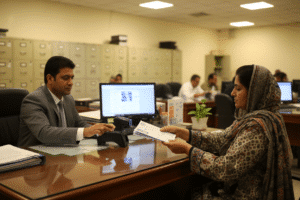
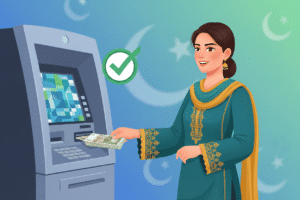
The Nigehban Ramadan Card program is a government-backed initiative targeting vulnerable households across Pakistan. Its core purpose is to provide financial relief specifically during Ramadan, when household expenses typically spike. The Rs. 10,000 payment is distributed through designated payment centers, partner banks, authorized retailers, and digital payment services, giving beneficiaries multiple options to collect their funds.
Eligibility is not self-declared. The government cross-references applicant data against NADRA's CNIC records, national social protection databases, socioeconomic survey registries, and existing welfare program lists. If your household data is already registered in these systems and your income falls within the program's limits, you may qualify automatically.
The Maryam Nawaz 10000 scheme connection
The Maryam Nawaz 10000 scheme is closely associated with this broader Nigehban framework. Both target the same demographic — low-income families — and carry the same payment amount. The Ramzan Package, a separate but related initiative, offers Rs. 13,000, while a NADRA-linked aid program provides Rs. 5,000 to qualifying households. These programs often run in parallel, and some families may qualify for more than one, depending on their registration status and household profile.
For those already familiar with the BISP Benazir Kafaalat program, the verification logic is similar: government databases determine eligibility, and the SMS system simply gives you a window into that determination.
The SMS method to check eligibility on 9999
The 9999 SMS verification system is the fastest way to confirm your Nigehban Card status. Here is exactly how it works:
- Open the SMS application on your mobile phone.
- Type your 13-digit CNIC number — no spaces, no dashes.
- Send the message to 9999.
- Wait for the automated reply.
The response will fall into one of three categories. "Eligible for payment" means your application has been approved and you can proceed to collect your funds. "Under verification" means your data is still being processed against government databases. "Not eligible" indicates your household does not meet the program's criteria based on current records.
If you send the message and receive no response, the most common cause is a formatting error. Check that the CNIC number contains exactly 13 digits and that no spaces were accidentally inserted. Resend the message and wait a few minutes before trying again.
Never share your CNIC number with unknown individuals claiming to help you register. Legitimate government programs do not require you to pay any registration fee. If someone asks for money to enroll you in the Nigehban scheme, it is a scam.
This same caution applies to the BISP 8171 payment system, where fraudulent intermediaries have exploited beneficiaries who were unaware of the official verification channels.
Online CNIC verification for the Nigehban Card
Beyond the SMS route, the government provides an online verification portal for the Nigehban Card 10000 check. The process requires a few more steps but offers a more detailed view of your eligibility and payment status.

Step-by-step online check process
To verify your status online:
- Visit the official government verification portal.
- Enter your 13-digit CNIC number in the designated field.
- Complete the verification process as prompted.
- Click the "check eligibility" option.
- Review the displayed eligibility details and payment information.
The portal draws from the same databases as the SMS system — NADRA records, social welfare registries, and socioeconomic survey data — so the result should be consistent across both methods. If there is a discrepancy, the online portal typically provides more detail about the status, which can help identify why a household might be flagged as "under verification."
For a more detailed walkthrough of the CNIC verification process through government portals, the step-by-step guide for 9999 online check covers the full procedure in depth.
Documents required for verification
Three items are needed to complete either the SMS or online verification:
- A valid CNIC number (13 digits, issued by NADRA)
- A registered mobile phone number linked to your identity
- Up-to-date household information in government databases
The third point is often overlooked. Families whose household data is incomplete or outdated in national records frequently receive "under verification" or "not eligible" responses even when they would otherwise qualify. Keeping your household file current in the relevant government systems is what determines whether your application moves forward.
The Rs. 13,000 Ramzan Package uses a similar SMS-based verification system. If you are checking eligibility for both programs, verify each separately using the appropriate code and portal to avoid confusion between payment amounts and eligibility criteria.
Why applications get rejected and what to do about it
Receiving a "not eligible" response from 9999 does not always mean permanent disqualification. Several specific reasons can trigger a rejection, and some are correctable.
Incorrect CNIC information is the most common issue. A single digit error in the CNIC entered during SMS or online verification will return a negative result. Always double-check the number before sending.
Incomplete household records represent the second major cause of rejection. If your family's socioeconomic data has not been captured in the relevant government survey registries, the system has no basis to confirm eligibility. This is particularly relevant for families in rural areas or those who have recently moved.
Income levels exceeding program thresholds will disqualify a household outright. The Nigehban scheme targets families below a defined income ceiling, and if your household's recorded income surpasses that limit, the system will return a negative result regardless of current circumstances.
Duplicate applications are flagged automatically. If multiple members of the same household have submitted applications, or if the same CNIC appears in more than one registration, the system will reject the duplicate entries.
Finally, unverified data in government databases can stall an application in the "under verification" state indefinitely. Households that have never been surveyed or whose data has not been cross-verified across NADRA and social welfare registries are particularly vulnerable to this outcome.
distributed per eligible household under the Nigehban Card scheme during Ramadan
For families who are also enrolled in the BISP Benazir Kafaalat program, it is worth noting that the January 2026 payment cycle carries a disbursement of Rs. 13,500. Understanding how to receive your BISP payment without biometric verification is a separate but related concern for many of the same beneficiaries navigating multiple government programs simultaneously.
Related programs and broader context for Pakistani welfare beneficiaries
The Nigehban Card 10000 scheme does not exist in isolation. It is part of a wider architecture of social protection programs the Pakistani government has built around NADRA's verification infrastructure and the BISP framework. Understanding how these programs interact helps families avoid missing out on payments they qualify for.
The Ramzan Package at Rs. 13,000 targets similar demographics but operates through a distinct disbursement mechanism. Families who qualify for the Nigehban Card may also be eligible for the Ramzan Package, and checking both through their respective SMS codes is a straightforward way to confirm. The Punjab Government's Rs. 10,000 Ramzan Package via code 8070 follows a parallel structure for Punjab residents.
BISP and the broader payment ecosystem
The BISP 8171 system remains the backbone of Pakistan's social welfare payment infrastructure. Payment centers, partner banks, authorized retailers, and digital payment services are all part of the same network that distributes Nigehban Card funds. Beneficiaries who already collect payments through BISP-linked channels will find the collection process for the Nigehban Card familiar.
The February 2026 ATM guide for BISP and the January 2026 re-registration update reflect ongoing changes to this ecosystem. For families navigating these shifts, the BISP 8171 payment through ATM guide provides current instructions for collecting funds without needing to visit a dedicated payment center. Staying current with these procedural updates matters because the verification process for programs like the Nigehban Card often mirrors changes made to the BISP system at the same time.
The bottom line for any household trying to access the Nigehban Card 10000 payment is this: use only the official 9999 SMS method or the government's online portal, keep your CNIC and household records accurate, and never pay anyone claiming to facilitate your registration. The system is designed to be accessible without intermediaries, and that design is also your best protection against the fraudulent schemes that shadow every legitimate government relief program in Pakistan.