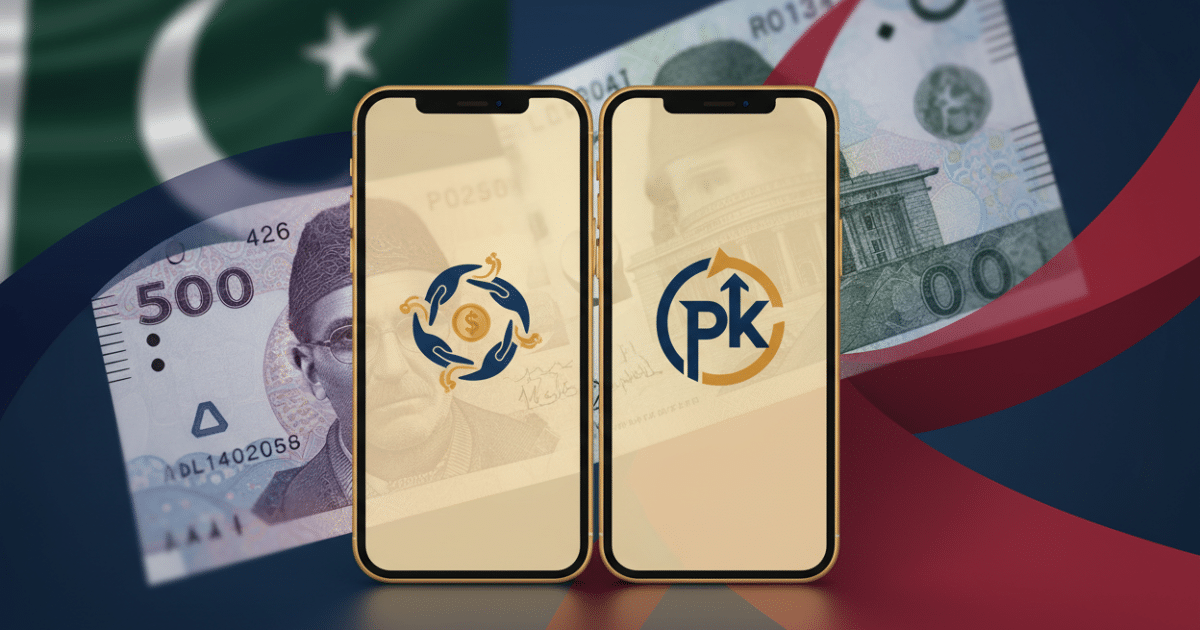
BISP beneficiaries registered with JazzCash and Telenor mobile wallets will begin receiving their Rs14,500 payment starting Thursday, as the Pakistani government rolls out a modernized digital disbursement system designed to replace slow, fraud-prone physical collection points. Eligible households can verify their payment status through the official 8171 portal or by sending their CNIC number via SMS to 8171.
The Benazir Income Support Program has long been a cornerstone of Pakistan's social safety net, reaching millions of low-income families across the country. But the traditional distribution model, built around physical payment centers, bank branches, and scheduled camps, has consistently struggled with long queues, unauthorized deductions, and access barriers for beneficiaries in remote areas. The shift to mobile wallets marks a significant departure from that model.
Starting Thursday, May 2026 becomes the first full disbursement cycle under this new arrangement. The change is not cosmetic. It directly affects how quickly money reaches the people who need it most, and it introduces a layer of accountability that physical cash distribution simply cannot match.
BISP payments via mobile wallets start Thursday
The government's decision to route Rs14,500 payments through JazzCash and Telenor mobile wallets responds to years of documented problems with the old system. Beneficiaries often traveled long distances to reach payment camps, sometimes spending a significant portion of their stipend on transport alone. Agents at collection points occasionally made unauthorized deductions before handing over funds, with little recourse for the affected families.
Mobile wallet disbursement eliminates most of those friction points in one move. When a payment is processed, the beneficiary receives an immediate notification on their phone. There is no need to travel, no queue, and no intermediary handling the cash. Concrètement, a woman in a rural district can now receive her Rs14,500 and confirm the full amount without leaving her home.
Payments are being distributed by phases according to districts. If your payment has not arrived yet, it may simply mean your district’s phase has not been released. Check your status on the 8171 portal before visiting any collection point.
Physical payment centers, bank branches, and designated payment agents remain active for those who cannot access mobile wallets or who prefer in-person collection. The new system runs in parallel, not as a replacement, ensuring that beneficiaries without smartphones are not excluded.
How the mobile wallet disbursement works
Registered beneficiaries whose CNIC is linked to a JazzCash or Telenor account will receive the payment directly into their mobile wallet. The transfer triggers an automatic notification, confirming the exact amount credited. From there, the money can be withdrawn at any JazzCash or Telenor agent, or used directly for purchases where mobile payments are accepted.
Beneficiaries who are not yet registered with either mobile wallet but wish to switch from physical collection should visit their nearest BISP office. Staff there can update account information, resolve biometric verification issues, and ensure the CNIC is correctly linked to the right wallet.
How to check your BISP payment status in May 2026
Knowing whether a payment has been released, and confirming the correct amount, is something every beneficiary should do before attempting to collect. The BISP 8171 web portal is the official channel for this, and the process takes under two minutes.
To check your BISP payment status May 2026, follow these steps:
- Open the official 8171 portal in your browser
- Enter your CNIC number in the designated field
- Complete the captcha verification
- Click "Submit"
- Your balance and payment status will appear on screen
For those without internet access, the SMS method works just as well. Simply send your CNIC number to 8171 from any mobile phone. You will receive a reply confirming your eligibility and payment status. This approach is particularly useful for beneficiaries in areas with limited data connectivity. A full explanation of how to use this method is available in this guide on checking your Ehsaas payment without internet.
BISP 8171 result check online by CNIC
The 8171 check online CNIC 2026 system also allows beneficiaries to verify their eligibility status, not just their current balance. This is especially relevant for households that have recently completed an NSER (National Socio-Economic Registry) survey and want to confirm whether they have been added to the program.
The process mirrors the balance check: visit the portal, enter the CNIC, submit the verification code, and the eligibility result appears. If the result shows no active payment, it may indicate an incomplete NSER survey, a biometric verification issue, or a payment that has not yet been released in that specific district. In any of those cases, visiting the nearest BISP office is the appropriate next step. For a detailed walkthrough of the portal itself, the BISP 8171 web portal guide covers the registration and application process in full.
disbursed per eligible BISP household starting Thursday via JazzCash and Telenor
BISP Kafalat Education Stipend and broader program structure
Beyond the core Rs14,500 cash transfer, the BISP Kafalat Education Stipend 8171 Ehsaas program provides additional support for families with school-age children. The stipend covers three educational levels: primary, secondary, and higher secondary. Eligibility for the education component is verified through the same 8171 portal, making it straightforward for families already enrolled in BISP to check whether their children qualify.

This layered structure, combining a direct cash transfer with education incentives, reflects the program's broader goal of reducing both immediate poverty and long-term inequality. Families receiving the education stipend have a financial reason to keep children enrolled in school, which addresses one of the more persistent barriers to educational access in lower-income households. Beneficiaries of similar social support schemes may also want to review the Ehsaas Rashan Program registration process to understand what complementary assistance may be available to them.
The program has also evolved in terms of payment amounts over time. A Rs13,500 payment was distributed in March 2026, and the current disbursement of Rs14,500 reflects an upward adjustment. Payments continue to roll out in phases across Pakistan's districts, meaning not all beneficiaries receive funds on the same day.
Fraud risks and how to protect your payment
The move to mobile wallets reduces several types of fraud, but it does not eliminate all risks. Beneficiaries must remain alert to a specific set of threats that target the new digital system.
Never share your CNIC number with unauthorized agents or individuals claiming to help you access your BISP payment. Official BISP disbursements do not require third-party assistance to process.
The most common fraud vectors involve unauthorized agents who ask beneficiaries to hand over their CNIC in exchange for "help" accessing their payment. These agents then deduct a portion of the funds before passing the remainder to the beneficiary. With mobile wallet payments, this risk is reduced because the money goes directly to the registered account, but it is not zero. Some agents still attempt to intercept payments by gaining access to the beneficiary's phone or wallet credentials.
Official BISP guidance is clear on this point. Beneficiaries should always verify their payment amount through the 8171 portal or SMS system before and after collection. Any discrepancy between the expected Rs14,500 and the amount actually received should be reported immediately to the nearest BISP office. Staff there can investigate unauthorized deductions and flag suspicious activity. Families navigating multiple government assistance programs can also cross-reference their entitlements through resources like the Ehsaas Rashan Program 8123 web portal to ensure they are receiving everything they are entitled to without relying on intermediaries.
The broader modernization of BISP payments, from physical cash distribution to JazzCash and Telenor mobile wallets, represents a structural shift in how Pakistan delivers social protection. Faster transfers, real-time notifications, and digital verification through the BISP check balance online by CNIC system collectively create a more accountable and accessible program. But the system only works as intended when beneficiaries use official channels, verify their own payments, and report irregularities without hesitation.