The BISP March 2026 payment of Rs.14,500 is now being distributed across Pakistan to registered low-income families. Before heading to any collection point, beneficiaries must verify their eligibility through the 8171 portal or SMS system and bring their original CNIC for biometric confirmation.
The Benazir Income Support Program has released its latest installment for March 2026, raising the payment amount from the previous Rs.13,500 (distributed in January 2026) to Rs.14,500. This increase reflects the government's ongoing effort to extend financial relief to vulnerable households, particularly women registered under the National Socio Economic Registry.
Knowing exactly where and how to collect this payment saves time, avoids frustration, and protects beneficiaries from fraud. The process involves a few clear steps, but skipping any one of them can result in a failed collection attempt.
Verify your BISP payment status before leaving home
The single most important action before traveling to any payment center is confirming that your funds have actually been released. Many beneficiaries waste hours in queues only to discover their payment isn't ready yet. The 8171 verification system eliminates that problem entirely.
How to check through the 8171 online portal
Visit the official 8171 portal directly from any internet-connected device. Once on the portal, enter your 13-digit CNIC number in the designated field and submit. The system will display your current eligibility status, whether your payment has been released, the available balance, and specific instructions for collection. This method gives you the most complete picture of your account before you step outside.
If you're unsure whether your registration is still active or up to date, the BISP 8171 dynamic survey registration process through the official BISP gov.pk portal is the right place to resolve that before checking payment status.
How to check via SMS at 8171
No internet connection? Send your 13-digit CNIC number as a plain text message to 8171. Within minutes, you'll receive a reply confirming your payment status and, if funds are available, guidance on next steps. This SMS-based method is particularly useful for beneficiaries in rural or remote areas where data connectivity is limited.
Always use the official 8171 portal or SMS service to verify your status. Third-party websites or individuals claiming to check your status are not authorized and may be attempting to collect your personal data.
Where to collect the Rs.14,500 BISP payment
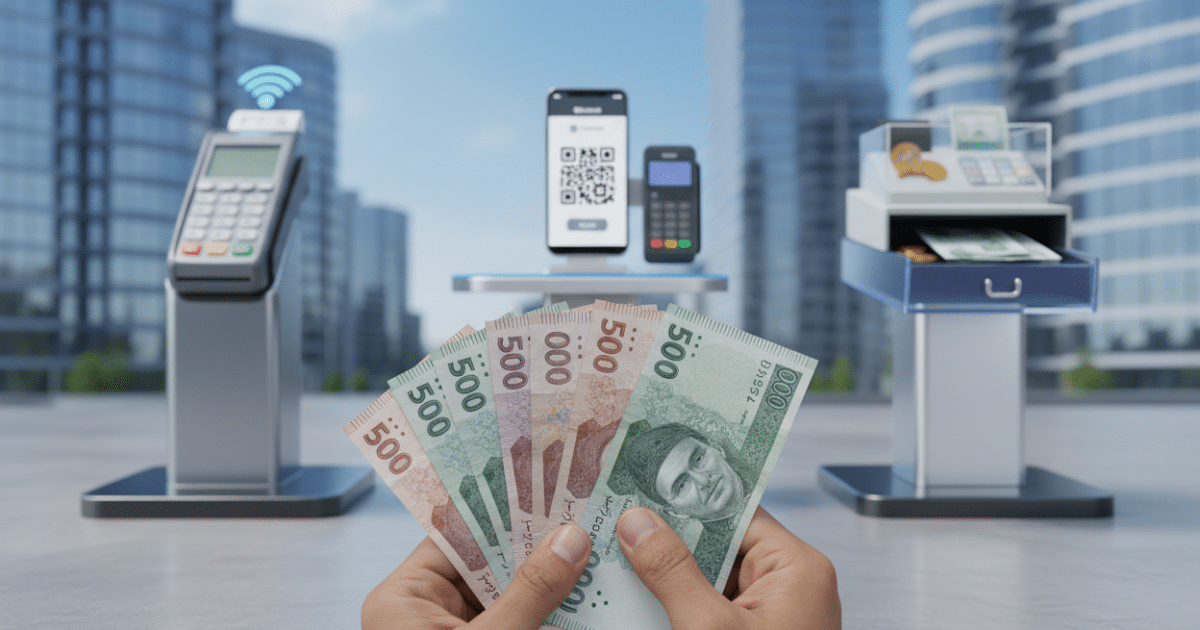
Once you've confirmed that your payment is ready, you have several options for collection. The BISP payment distribution network in Pakistan operates through three main channels, each with its own process.
BISP payment camps
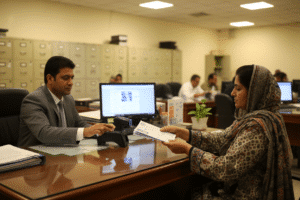
BISP-designated payment camps are temporary collection points set up specifically during distribution periods. These are typically organized in accessible public locations within communities. To collect at a camp, bring your original CNIC and be prepared to complete biometric verification on-site. The biometric step confirms your identity against the records held in the database, so your fingerprints must match what was registered. If your information is outdated or your CNIC details have changed since registration, the biometric check will fail and you won't be able to collect your payment that day.
Registered bank partner centers
Authorized banking agents and partner centers also distribute BISP payments. These are physical locations tied to banking institutions that have formal agreements with the program. The process is the same: original CNIC, biometric verification, and collection. Bank partner centers often have more consistent hours than temporary camps, which can be an advantage for beneficiaries who can't travel on specific dates.
Registered retailers
In many areas, registered retail outlets serve as payment points. These retailers are formally enrolled in the BISP distribution network and operate under the same verification requirements. The convenience here is proximity — for many families, a local registered retailer is closer than a bank branch or a designated camp.
BISP payment amount for March 2026 — up from Rs.13,500 in January 2026
Mobile payments and digital wallets
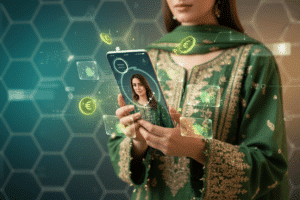
BISP mobile payments represent a growing option for beneficiaries, particularly in the March 2026 cycle. Through partnerships with mobile wallet services, some beneficiaries can receive their Rs.14,500 directly to a digital account, avoiding physical queues entirely. Availability of this option varies by region and by the specific mobile partner operating in your area. Beneficiaries using JazzCash and Telenor networks have been among those receiving the Rs.14,500 payment through mobile channels, which significantly reduces wait times at physical centers.
For a detailed walkthrough of how ATM-based collection works as an alternative, the BISP 8171 payment through ATM guide covers the full step-by-step process.
What to bring and what to expect at the collection point
Arriving prepared makes the entire process faster. Every collection point, whether a camp, bank center, or registered retailer, requires the same core documentation and process.
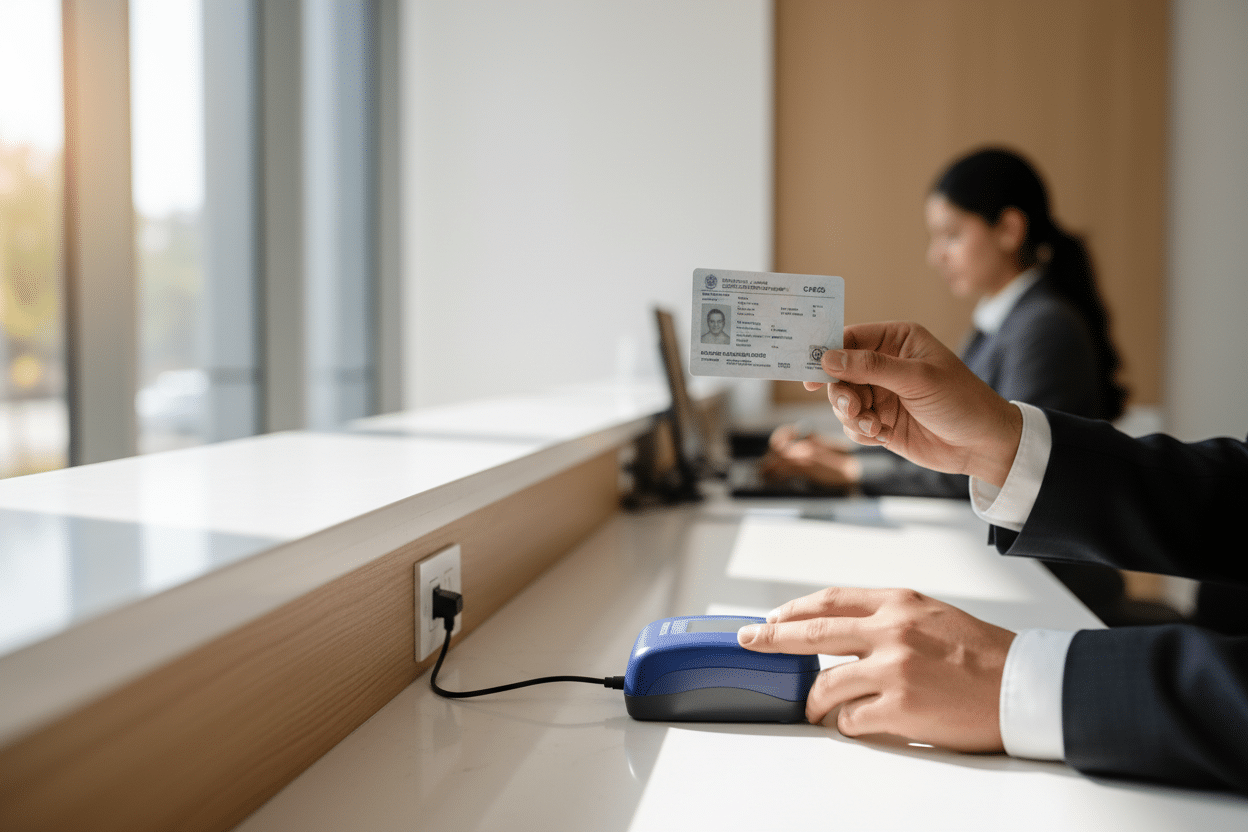
Bring your original CNIC — not a photocopy, not a photo on your phone. The document itself must be present for biometric verification. At the center, a biometric scanner will read your fingerprint and match it against the registered data. This step cannot be skipped under normal circumstances. If you face difficulties with biometric verification due to technical or physical reasons, there are specific procedures to resolve BISP biometric verification issues that you should explore before your visit.
If your biometric verification fails because your registration details are outdated, you'll need to visit an official BISP registration center to update your information. Attempting to collect again without updating first will produce the same failed result.
Fraud risks and how to stay protected
The distribution of government payments inevitably attracts fraudulent activity. Beneficiaries need to be aware of the most common schemes targeting BISP recipients.
Never share your 13-digit CNIC number with anyone you don't know or trust. Fraudsters use CNIC numbers to impersonate beneficiaries or to access personal data. Any person or service claiming they can register you for BISP payments in exchange for money is operating a scam. Registration with the program through the National Socio Economic Registry is free. If anyone demands payment for enrollment or payment processing, report them to the relevant authorities immediately.
Government employees found to have misused the system may face recovery demands of up to Rs.139,800. Misrepresentation or fraudulent enrollment is a serious offense under Pakistani law.
Use only official BISP channels for any verification or registration activity. The 8171 portal and the SMS service at 8171 are the authorized tools. If your SMS check isn't working as expected, resources on troubleshooting the 8171 SMS service explain alternative verification methods you can use right away.
The BISP Rs.14,500 payment for March 2026 marks another step in the program's expansion of support for low-income families across Pakistan. With multiple collection channels now available, including mobile wallets and registered retailers alongside traditional camps and bank centers, more beneficiaries have access to their funds with fewer barriers than in previous cycles. Checking your status first, arriving with the correct documents, and staying alert to fraud are the three actions that determine whether your collection goes smoothly or not.